

This hybrid sourdough bread recipe uses both sourdough discard and a bit of commercial yeast to create a loaf that rises beautifully, tastes buttery and has a soft, spongy crumb that you can dip into soups and stews or make a sandwich with.
The added yeast helps the dough proof quickly so you can make it in just a few hours, like any yeasted bread. But you can also do a slow overnight proof in the fridge to give the sourdough time to digest the starches in the flour and become even more flavorful.
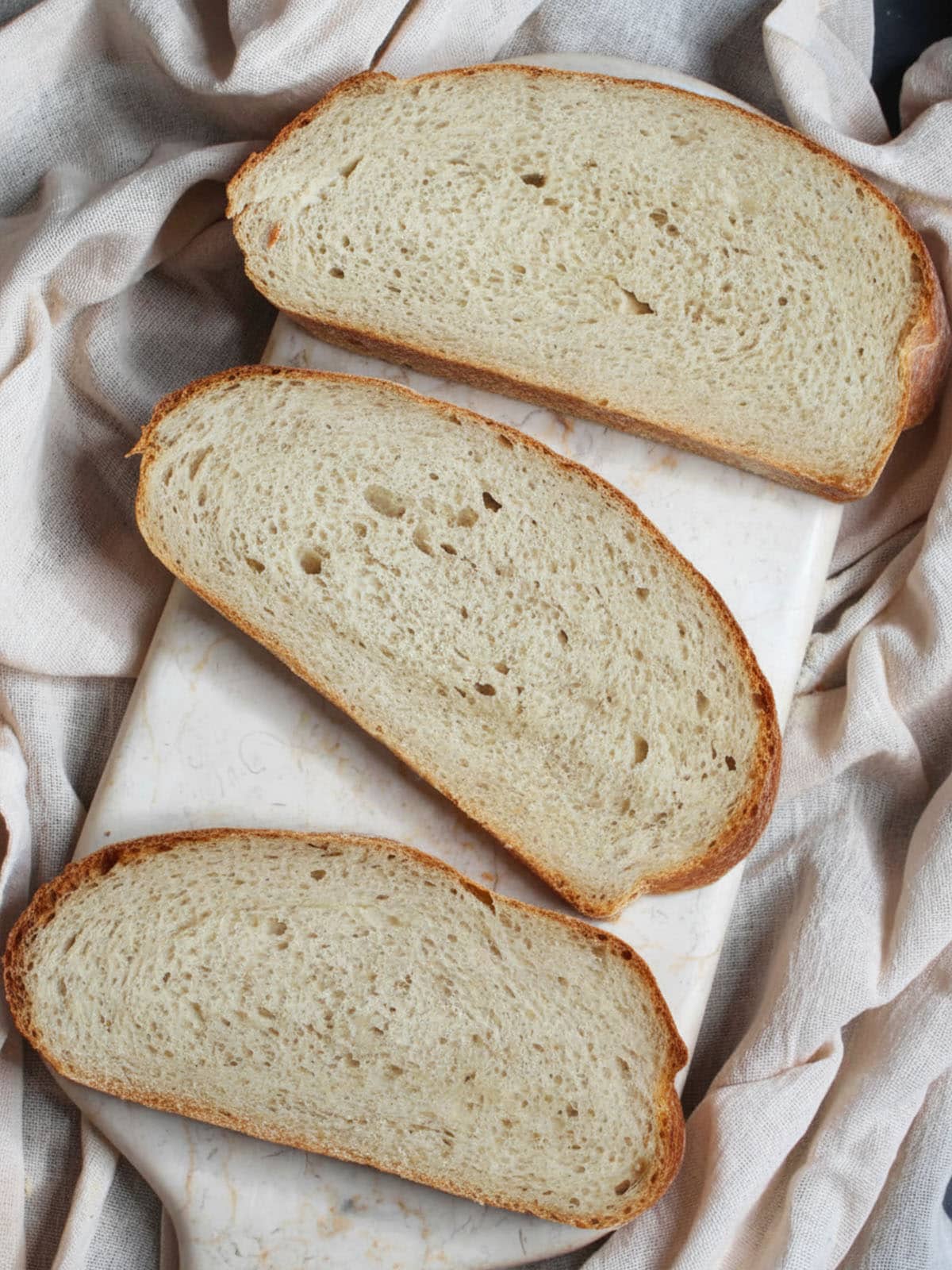
Table of Contents
What is hybrid sourdough bread?
Hybrid sourdough bread is a loaf of bread made with both sourdough starter and commercial yeast. The sourdough starter gives the bread that delicious tangy flavor and the yeast helps the bread rise far more quickly and reliably than if you were to use sourdough starter alone.
Same-day sourdough discard bread
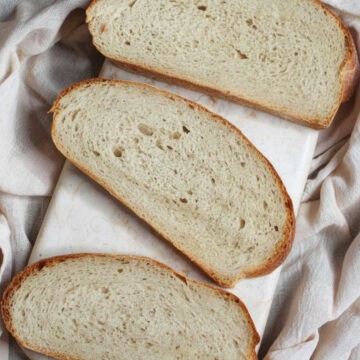
I have been making this hybrid sourdough bread nearly every week - twice a week if I'm having guests over - for the past couple of months and it has become my favorite bread to bake and eat. It is foolproof, forgiving, and it makes a huge loaf that I can slice and store. The crumb is so soft, so pillowy, you might want to tear off large chunks and stuff them in your mouth.
A hybrid loaf like this is a good recipe to have on hand when you'd love a sourdough bread with full, rich flavor but don't have the time to wait for an unpredictable rise that could stretch on and on. I've shared with you a super quick sourdough bread recipe - one that goes from scratch to done in an hour. This one takes longer - about four hours if you don't do the overnight proof. That additional time helps create more flavor and also gives the sourdough more time to work to ferment the dough.
What you get is not a traditionally leavened sourdough loaf (like this no-knead sourdough bread) but also a truly delicious bread with some of the benefits of sourdough baking and a flavor very comparable to that of a bread leavened only with sourdough.
Best of all, you get all of this on your schedule - not the schedule of your quirky sourdough starter.
I've tested this hybrid sourdough loaf with all whole wheat flour and different whole-wheat-flour-and-bread-flour combinations and I'm happy to report that all these versions have produced magnificent loaves. The starting point for this bread was my high-protein whole wheat sandwich bread and just like I do with that loaf, I added some vital wheat gluten to the all-whole-wheat version to give it better structure. It worked so well, I added a smaller quantity of vital wheat gluten to the version with the mixed flours. The added gluten makes the bread much springier and lighter, with a slightly chewier crust, and it adds a bit of extra protein to each slice. I've retained it in this recipe I am sharing with you today but you can skip it if you don't want to use it.
You can use sourdough discard for this recipe. I've sometimes made it with unfed starter that's been sitting in the fridge for more than two weeks. The small amount of added yeast in the recipe is more than enough to proof the bread and give it the perfect amount of lift and structure.
I sometimes proof the dough overnight when I need the bread for lunch the next day. To do this I make the dough before bed, refrigerate it, then leave it out for two hours in the morning before shaping it for the second proof. Here are the sample schedules I follow:
Sample schedules for hybrid sourdough bread
Same-day bread:
2 p.m. Make the dough and set aside to proof in a warm spot.
4 p.m.: Shape the risen dough in a loaf and set aside for second proof.
5.30 - 6 p.m.: Bake bread for 40 minutes.
Bread with overnight proof:
9 p.m.: Make dough and refrigerate.
7 a.m.: Leave dough out at room temperature for two hours.
9 a.m.: Shape dough in a loaf and set aside for proofing.
10.30 a.m.: Bake bread for 40 minutes.
How to make hybrid sourdough bread
Make the dough
- Mix the sourdough discard, yeast, lukewarm water, milk, sugar and olive oil.
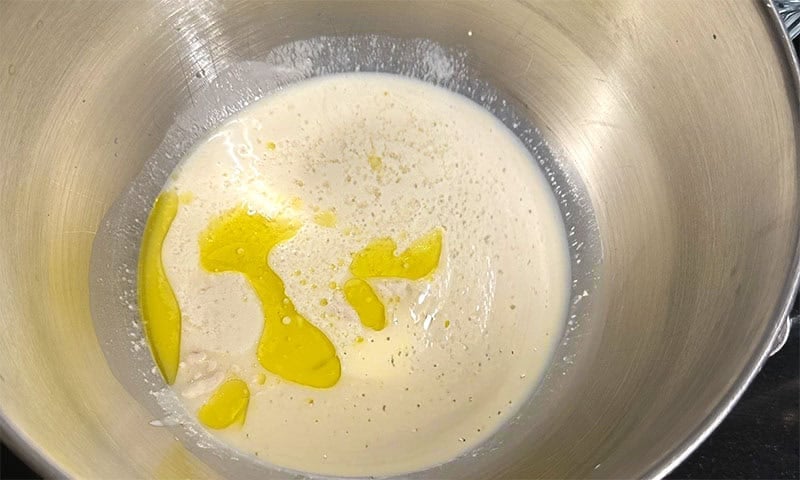
- Add 2½ cups of whole wheat flour and the optional vital wheat gluten. The gluten will create an even softer bread with terrific structure and higher protein content. Start kneading, adding the bread flour as needed. The amount can vary depending on the humidity and weather in your kitchen. I typically need between 4 ½ to 5 ½ cups flour total for this bread. Once done, the dough should be soft but shouldn't look wet - it should come together in a ball. Continue kneading for five more minutes because this really helps improve structure.
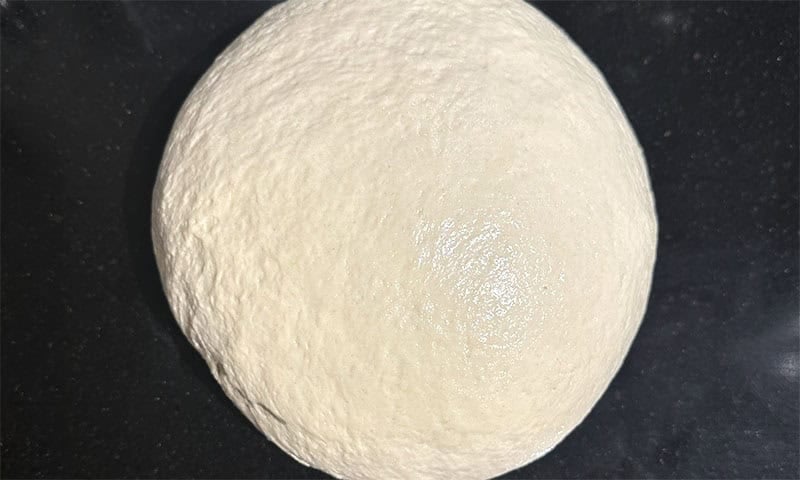
- You will know you have the perfect dough if it clings to the bowl when you coax it out on your work surface. But it should feel smooth and elastic and should come off the bowl without sticking.
- Shape the dough into a smooth ball and place it in an oiled bowl, turning it over once to coat the top with oil. This will keep the dough from drying out.
First proof
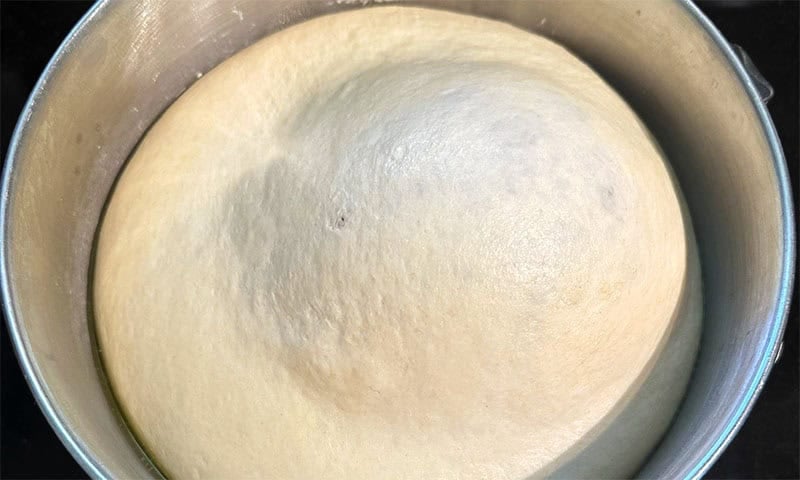
- To make bread the same day, cover the bowl with cling wrap or a tight lid. Set aside in a warm spot for two hours. The dough should have more than doubled after two hours. If doing the overnight rise refrigerate it overnight and leave the dough out at room temperature for two hours before shaping.
Shaping the loaf and second proof
- Place the risen dough on your work surface and use your fingers to spread it or lightly punch it into a circle about 10 inches in diameter. Start rolling the dough to form a batard, pressing in the seams after every roll. This is exactly how I shape my easy French bread.
- Pinch in the ends so you have a smooth top and roll out the loaf until it's 12-14 inches long, depending on the size of your baking sheet.
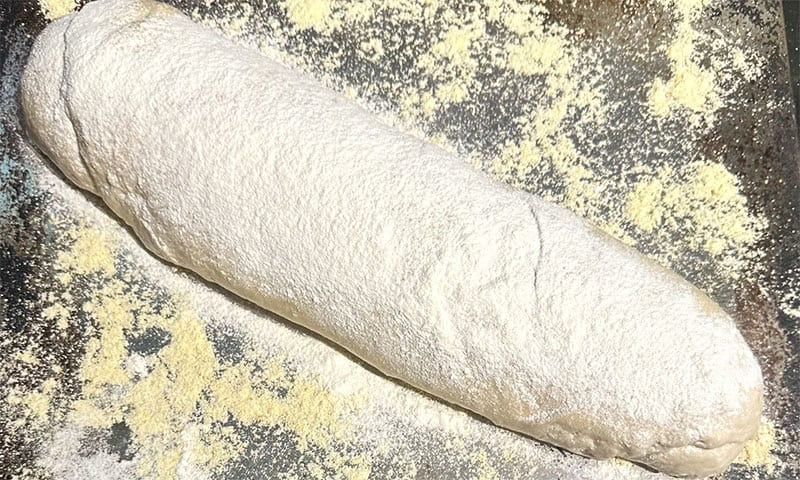
- Place the shaped loaf on a baking sheet dusted with flour or corn meal, seam side down. Dust the loaf with flour, cover with a kitchen towel, and place it in a warm spot for the second proof, for a total of 1½ hours. The loaf should double during this time. Dusting the loaf with flour will keep the dough from sticking to the kitchen towel as it rises and it will also give the bread an artisanal look.
Score and bake bread
- Preheat the oven to 450 degrees Fahrenheit/235 degrees Celsius. Use a bread lame or sharp knife to make two or three scores in the risen loaf, taking care not to deflate the loaf. My lame snagged a bit on the loaf, as you can see, creating a slightly jagged edge, but it scored just fine.
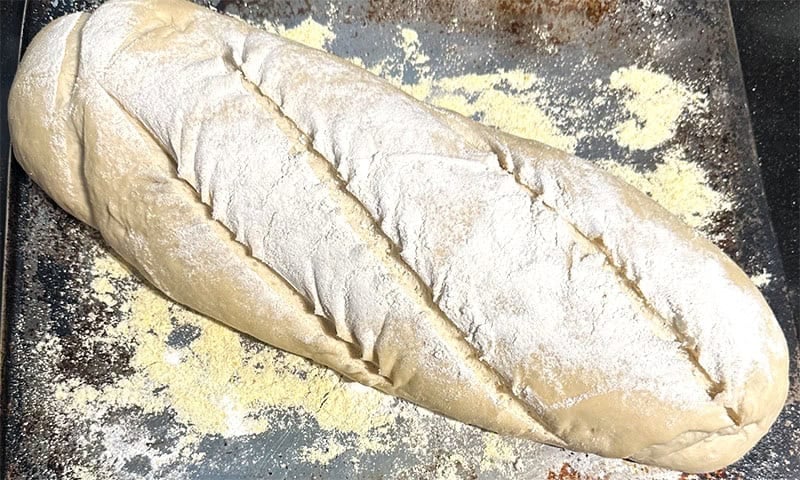
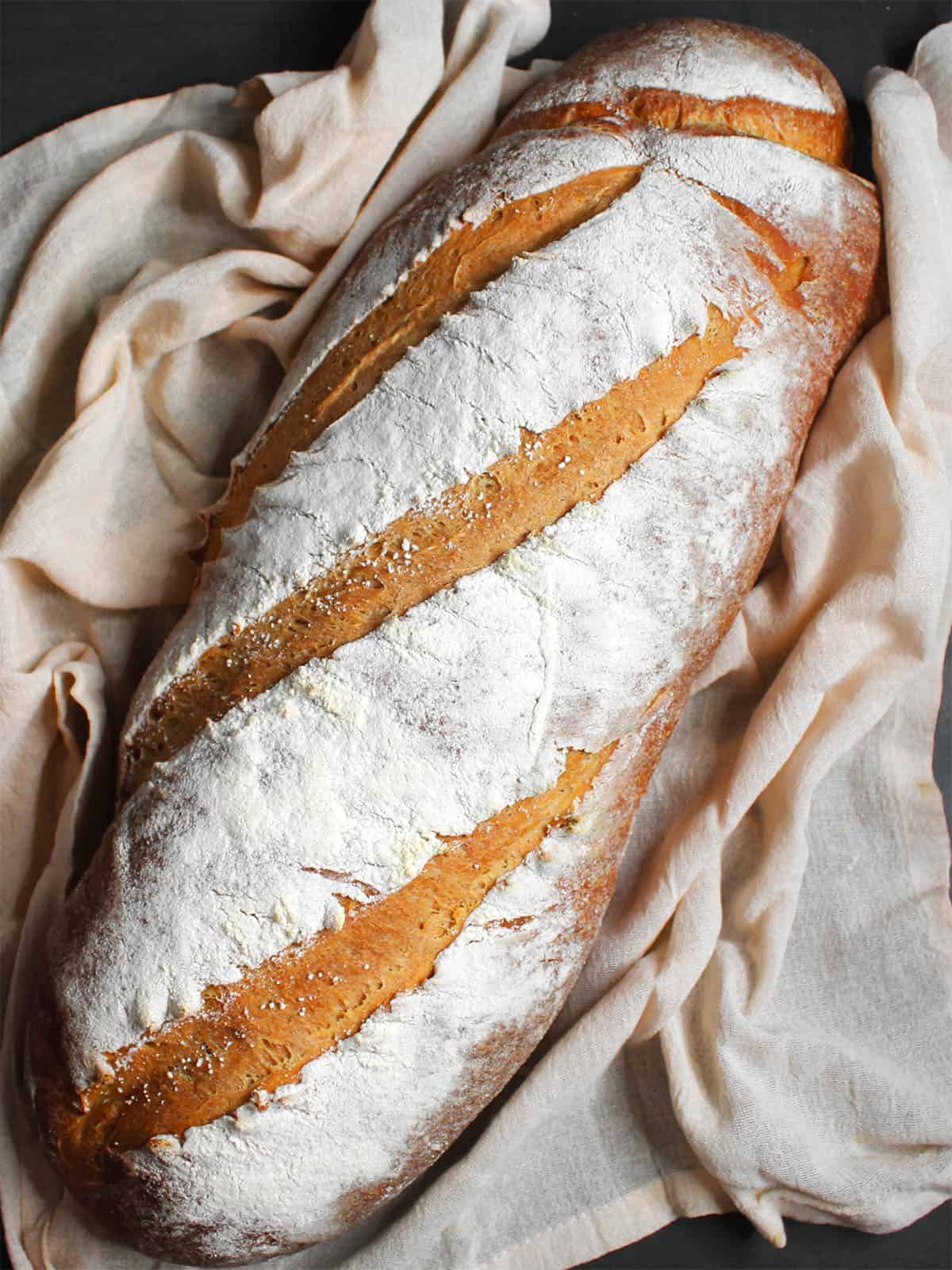
- Bake the bread for 10 minutes at 450 degrees, then turn the oven heat down to 350 degrees F/180 degrees C and continue to bake for 30 minutes more. The initial burst of heat helps the sourdough gases in the loaf expand, giving that coveted "oven spring" and beautiful "ears" for an artisanal look.
- Remove the bread from the oven and after 15 minutes transfer it to a cooling rack. Cool the bread before slicing.
Recipe card
Hybrid Sourdough Bread Recipe
Ingredients
- 1 cup sourdough discard
- 1½ teaspoons active dry yeast
- ¾ cup water (lukewarm)
- 1½ cups soy milk (or other non-dairy milk, lukewarm)
- 1 tablespoon sugar
- 2 tablespoons extra virgin olive oil (plus more for oiling the bowl)
- 2½ cups whole wheat flour
- ¼ cup vital wheat gluten
- 2½ to 3 cups bread flour
- 1 teaspoon salt
Instructions
Make the dough
- Place the sourdough discard in the bowl of a stand mixer or in a large bowl. Add the yeast, lukewarm water, milk, sugar and olive oil. Stir to mix.
- Add 2½ cups of whole wheat flour and the optional vital wheat gluten. Start kneading on low speed or mixing by hand, adding one cup, then another, of the bread flour. Continue to knead, adding more flour as necessary, until the dough comes together in a ball and is not sticking to the bottom. Once this happens, knead for five more minutes.
- Form the dough into a smooth ball. Oil the bowl and place the ball of dough in it, turning it over once to coat the top with oil.
For same-day bread
- Cover the bowl with cling wrap or a tight lid. Set aside in a warm spot for two hours. The dough should have more than doubled after two hours.
For overnight proof
- Place the covered bowl in the refrigerator. Remove in the morning (the dough will have risen quite a bit) and let the dough stand at room temperature for two hours.
Shape and bake the bread
- Place the risen dough on your work surface and use your fingers to spread it into a circle about 10 inches in diameter. Start rolling the dough to form a batard, pressing in the seams after every roll.
- Pinch in the ends so you have a smooth top and roll out the loaf until it's 12-14 inches long, depending on the size of your baking sheet.
- Place the shaped loaf on a baking sheet dusted with flour or corn meal, seam side down. Put it in a warm spot for the second proof, for a total of 1½ hours. The bread should more than double during this time.
Score and bake
- Preheat the oven to 450 degrees Fahrenheit/235 degrees Celsius.
- Use a bread lame or sharp knife to make two or three scores in the risen loaf, taking care not to deflate the loaf.
- Bake the bread for 10 minutes, then turn the oven heat down to 350 degrees F/180 degrees C and continue to bake for 30 minutes more.
- Remove the bread from the oven and after 15 minutes transfer it to a cooling rack. Let the bread cool thoroughly before slicing.
Nutrition Information
To print recipe card without images, uncheck "instruction images" after clicking the "print recipe" button.
My top tip
Use soy milk to make the dough. The higher protein content of soy milk helps this vegan bread become softer and moister. If you can't tolerate soy, use another plant milk, preferably one fortified with protein.
Recipe FAQs
Just use more whole wheat flour and skip the bread flour altogether. You can also increase the amount of vital wheat gluten to ½ cup, which will also give you a bigger protein boost.
Yes, just use bread flour to make the bread and skip the vital wheat gluten. If you want to make the bread with all-purpose flour, add a tablespoon of the vital wheat gluten if you can for better texture.
Yes, provided it is not moldy or has spoiled visibly. Pour off any dark liquid that has accumulated at the top, stir the starter, and use away!
You certainly can.
Absolutely. You can make two smaller loaves with the dough. You can also shape it into batards, boules, or place the shaped dough in two loaf pans to make sandwich bread.
This hybrid dough doesn't proof as long as a traditional sourdough bread would, so the sourdough flavor doesn't develop as fully. However, the bread has a lovely, light tang and discernible flavor from the starter. If you're looking for more sourdough flavor, use the overnight proof method.
More sourdough bread recipes you might like
- These crusty sourdough dinner rolls have crispy golden crusts and soft, chewy centers. And they're no-knead!
- If it's softer rolls you want, try these soft sourdough rolls that are perfect for dinners and holidays.
- This easy sourdough French bread yields a loaf with a fluffy crumb and crackly crust that's perfect to dunk into soups and stews.
- Looking for a soft sandwich bread? This sourdough sandwich bread recipe will reward you with two fantastic loaves that slice beautifully, have buttery flavor and a light, airy crumb.
- Find more delicious ways to use sourdough discard in my collection of sourdough discard recipes.



Comments
No Comments