Spice is nearly synonymous with Indian cuisine. Indian cooks use dozens of spices and spice mixes in their kitchens every day and each spice is carefully chosen for its flavor, how it plays with other spices, and other ingredients used in the recipe.
Here are some of the most common spices you will find in every Indian pantry, and examples of recipes you can use in them.
You can use these whole spices to make delicious spice blends that taste better than store-bought spice blends because they are fresher, last much longer and are more wallet-friendly.

Seed spices
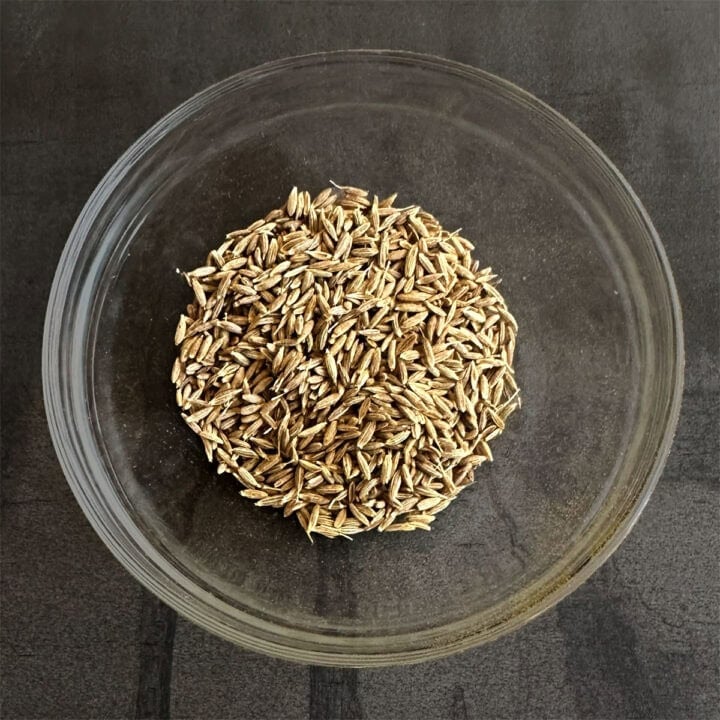
Cumin seeds (jeera)
Earthy and smoky, cumin seeds are an essential component of tadka, the process of tempering oil with spices before adding it to a dish. Powdered cumin adds depth of flavor to curries, dals and soups, among other dishes.
Use cumin seeds in garam masala, curry powder and vegetable korma.
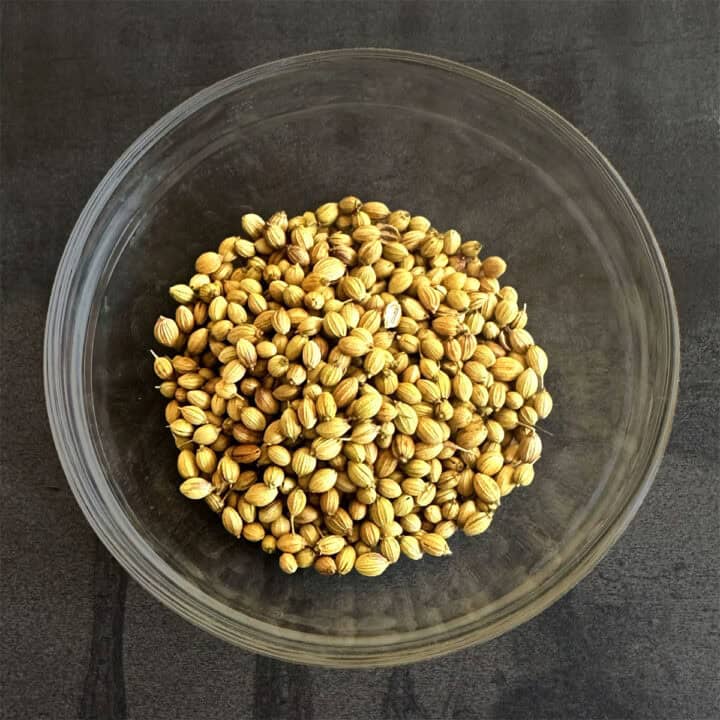
Coriander seeds (dhania beej)
Coriander seeds are eaten all around India and they are an especially popular ingredient in north Indian cuisine. They add a fresh, citrusy flavor to food. This is the seed of the herb we call cilantro, and it is most often used in powdered form.
Use coriander seeds in whole masoor dal, bisi bele bath masala and methi matar malai.
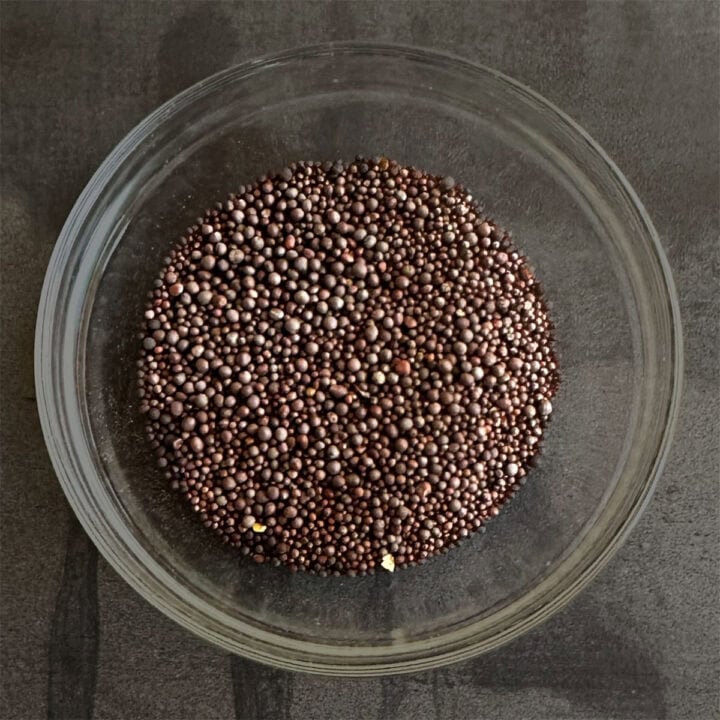
Mustard seeds (rai)
Black mustard seeds have a sharp, spicy flavor and they are frequently used in "tadka," the Indian technique of tempering spices in oil. When sputtered in oil, mustard seeds disperse their delicious flavor into the oil and the rest of the dish. They are used more creatively in eastern Indian cooking.
Try mustard seeds in dishes like this smashed potato salad with turmeric and curry leaf dressing, chaunsa dal and panch phoron, a Bengali whole-spice blend.
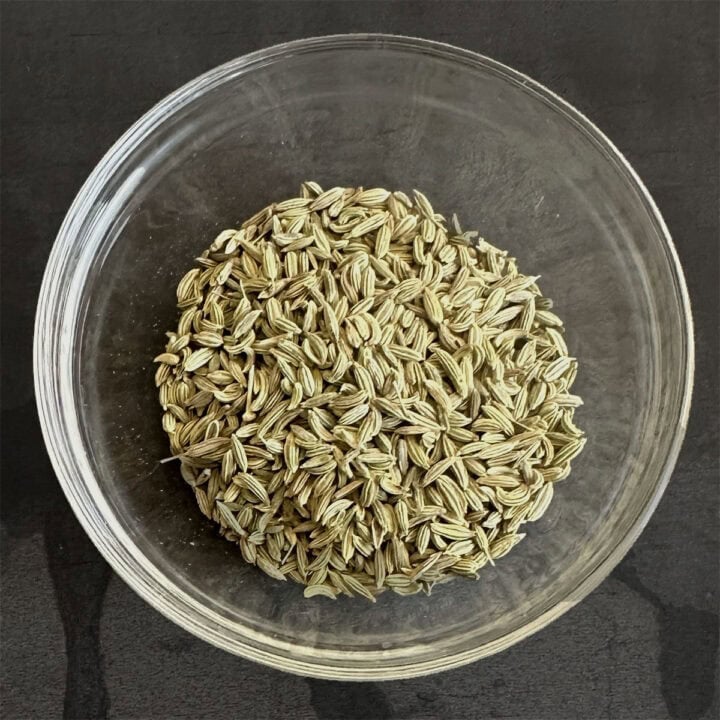
Fennel seeds (saunf)
Fennel seeds have that delicious, sweet, licorice-like flavor and they are used widely in Indian cooking. You will often find them in popular Indian spice mixes like garam masala and chana masala because they balance the heat imparted by other spices.
Use fennel seeds in recipes like carrot pickle, vegan thandai drink, and fennel-crusted potatoes.
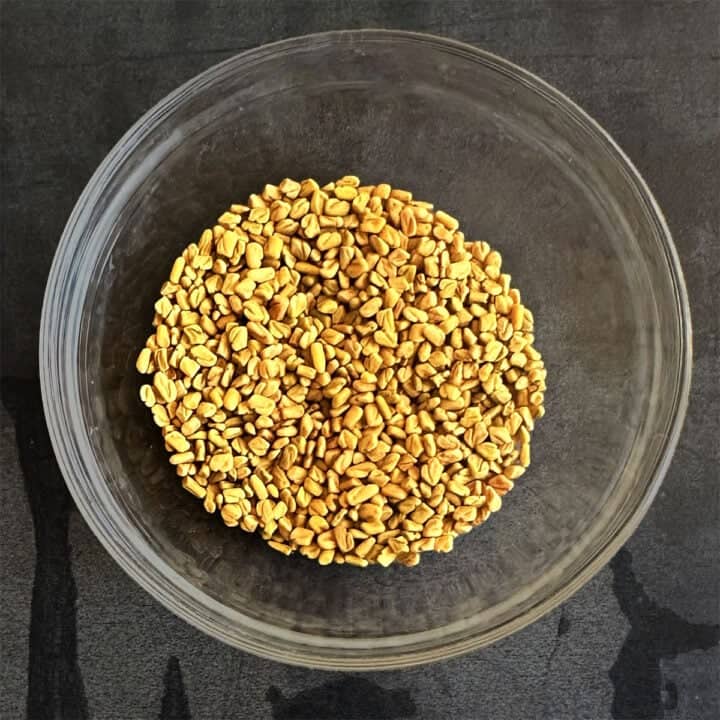
Fenugreek seeds (methi dana)
Fenugreek seeds have a complex bitterness that rounds out into a rich, almost sweet flavor. Like many other spices on this page, it is used to add balance to spice mixes but it's also used in fermented foods because it is rich in prebiotic fiber and helps modulate gut bacteria.
Enjoy the health benefits of fenugreek seeds in dishes like idli, dosa and sambar masala spice blend.
Nigella seeds (kalonji)
Nigella seeds are nutty, peppery and oniony. In India, they are added to pickles and curries where their sharp, strong flavor complements the other ingredients. They are also one of the five ingredients in the Bengali spice mix panch phoron.
Use nigella seeds in recipes like Bengali dal with panch phoron, mirch ka salan and aloo posto.
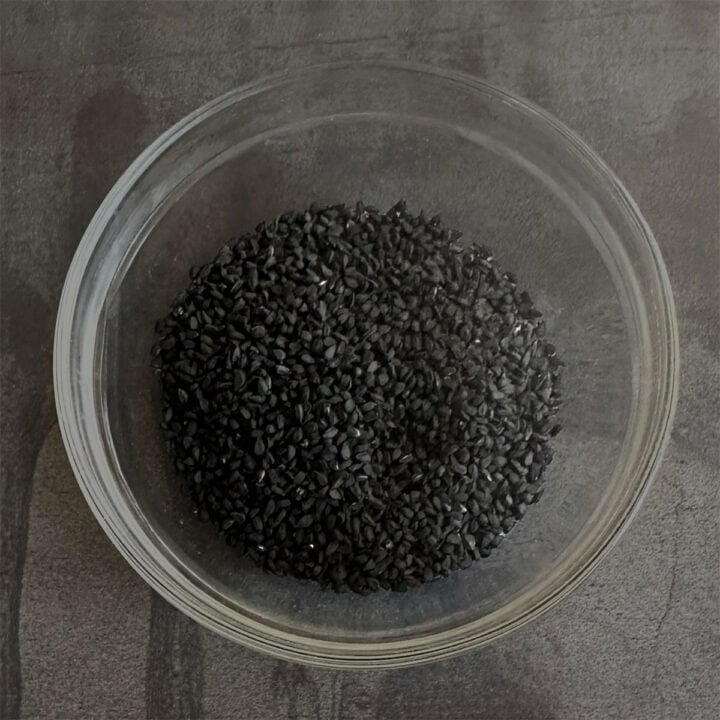
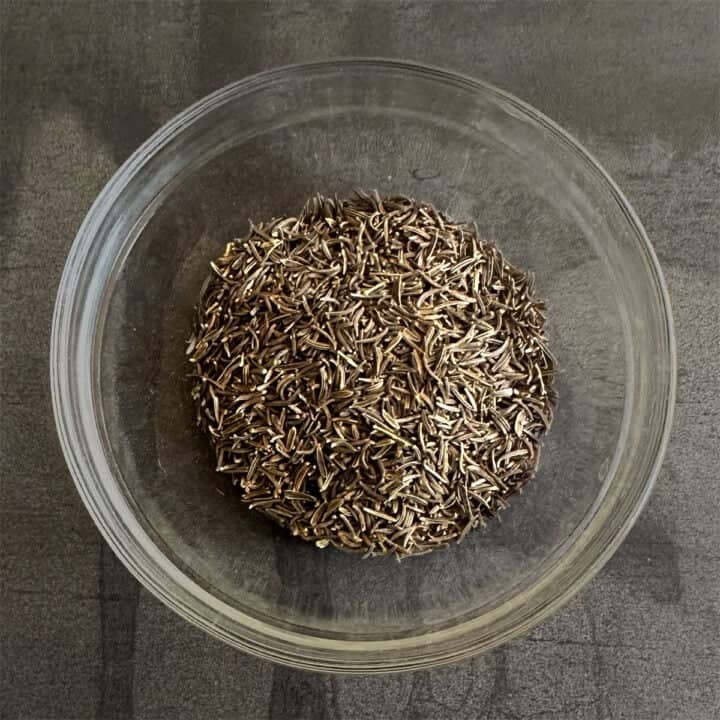
Black cumin seeds (shahi jeera)
Black cumin seeds can be mistaken for regular cumin seeds, but they are very different. Like their name suggests they are darker hued and they have a milder, sweeter flavor than cumin does. Shahi jeera is a popular addition to biryanis where it imparts a unique, authentic flavor.
Use shahi jeera in recipes like vegetable biryani, Goan vegetable xacuti and vegetable dhansak.
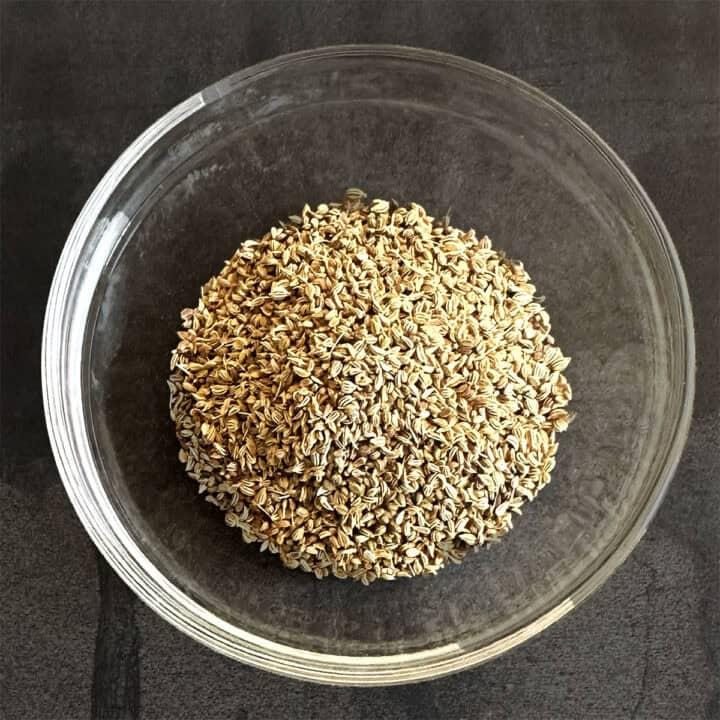
Carom seeds (ajwain)
Ajwain has a strong, sharp, bitter flavor that is often compared to thyme. It is an aromatic spice and it is used most frequently in north Indian foods for its delicious, savory flavor.
Use ajwain in dishes like samosa, gobi paratha and chana masala spice mix.
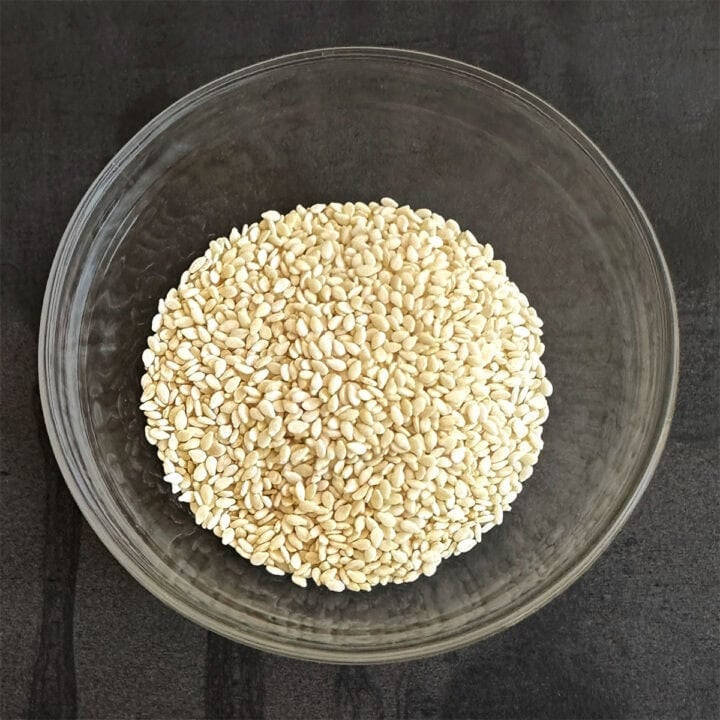
Sesame seeds (til)
Sesame seeds are a valuable addition to Indian spice mixes, where they add a rich, sweet nuttiness. They are also widely used in sweet dishes, either on their own or to add crunch and complexity.
Use sesame seeds in dishes like bagara baingan, south Indian tamarind rice and bisi bele bath masala powder.
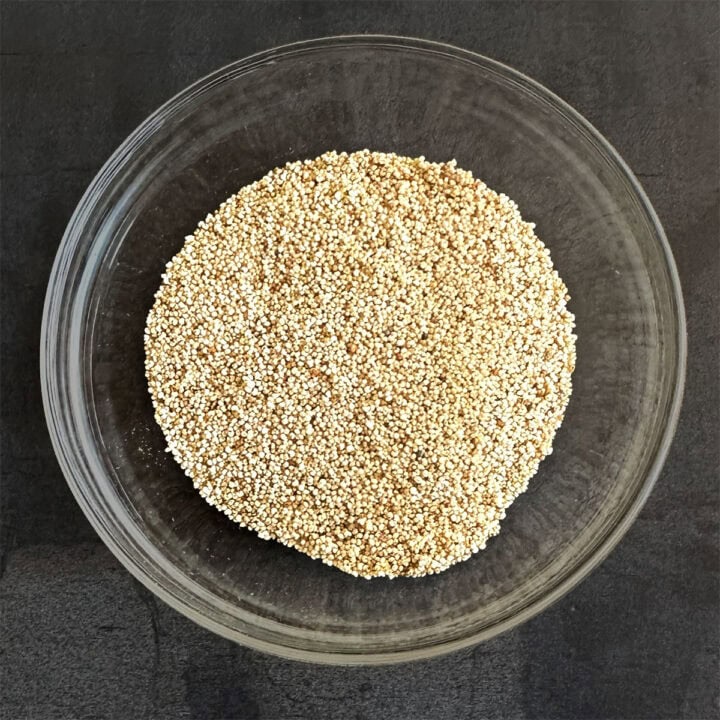
White poppy seeds (khus khus)
Like sesame seeds, poppy seeds add sweet and nutty flavor to Indian recipes and they are delicious in richly flavored curries and curry pastes.
Try them in this mushroom curry, karanji or gujiya, and whole masoor dal.
Whole spices
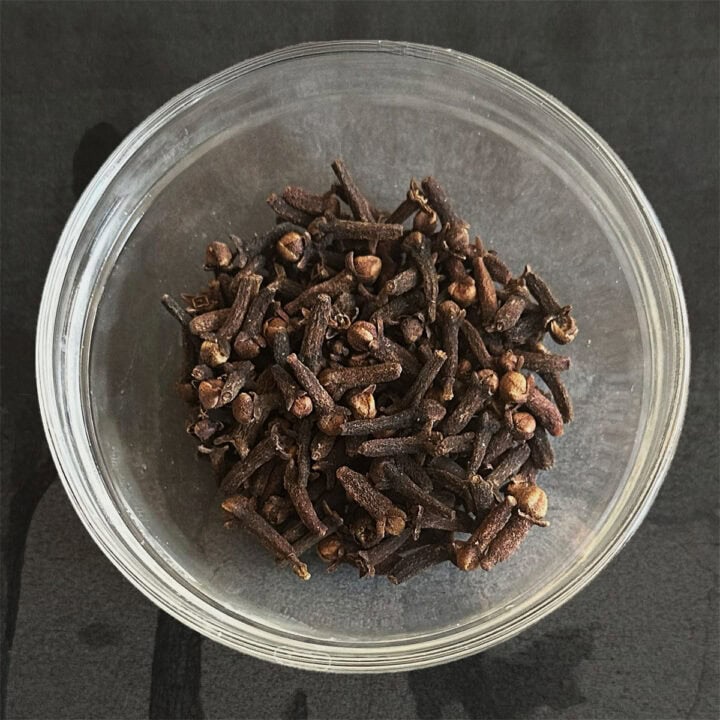
Cloves (laung)
Cloves are intensely spicy, sweet and floral. They are often added whole to complex-tasting dishes for their warmth and deep flavor, and they are also often found in Indian spice blends.
Try cloves in recipes like carrot rice, homemade chai masala and sorghum khichdi.
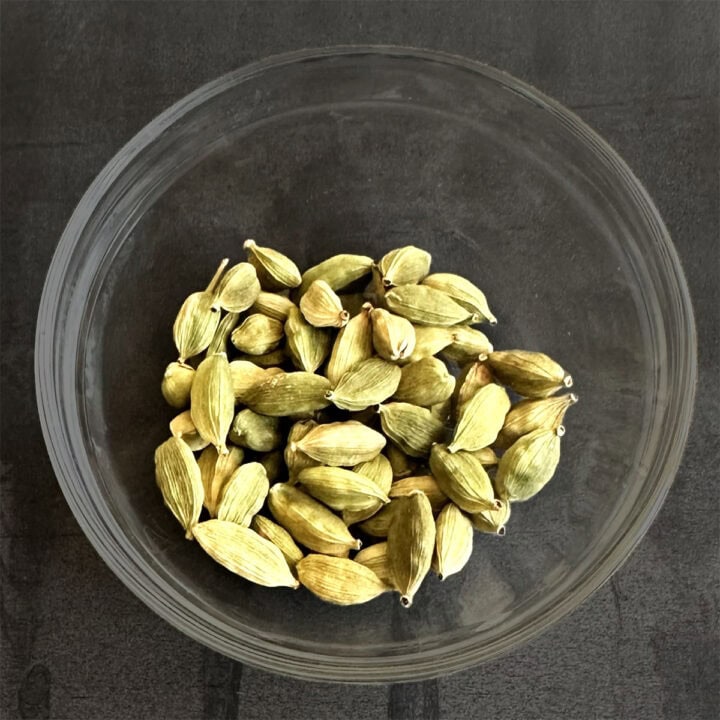
Green cardamom pods (hari elaichi)
My favorite spice. Green cardamom is sweet and aromatic with a heady fragrance that makes Indian sweet treats so addictive. It is wonderful in savory dishes too. When using it in desserts, use only the black cardamom seeds and discard the husks for the best flavor.
Enjoy green cardamom in vegan gulab jamun, homemade chai masala and iced cardamom green tea.
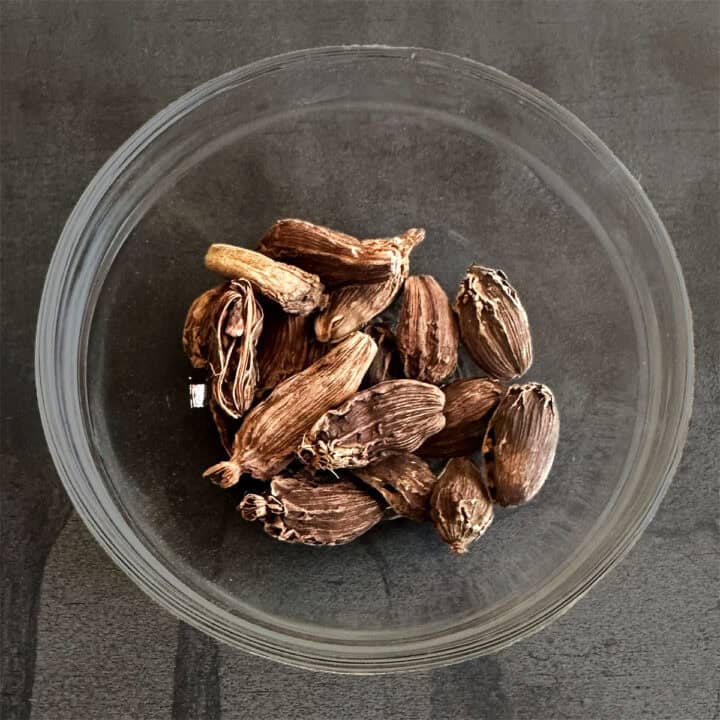
Black cardamom pods (badi elaichi)
Black cardamom pods have a much stronger, smokier flavor than green cardamom. Don't use them in desserts, but they are delicious in spice mixes and savory Indian dishes. When they are added whole to dishes, discard them after cooking and before serving the dish.
Use black cardamom pods to make chana masala powder, vegetable dhansak and dum aloo biryani.
Cinnamon sticks (dalchini)
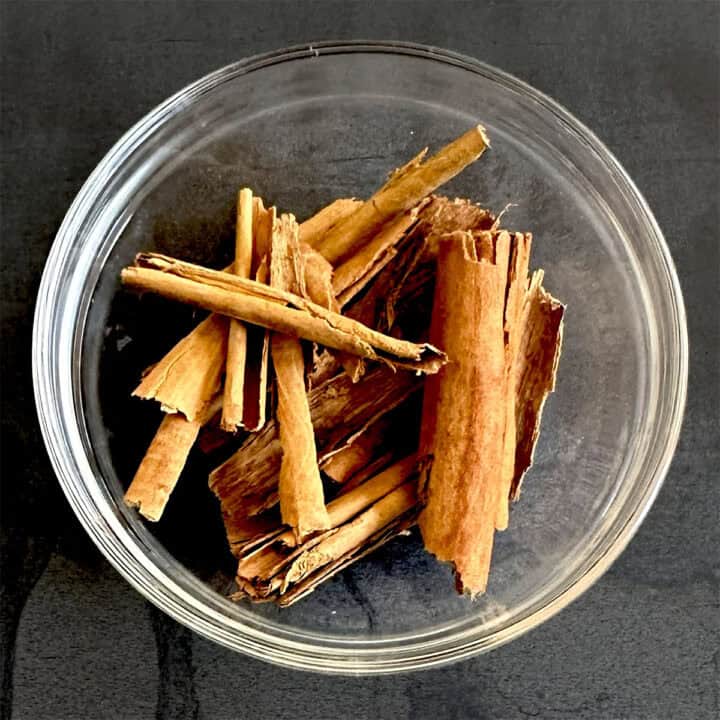
Sweet and spicy, the bark of the cinnamon tree (called cinnamon sticks) is used mostly in savory Indian dishes like curries and biryanis. Cassia cinnamon is more widely found in U.S. and Indian stores, but if possible try and source Ceylon cinnamon for its delicate, sweet, floral flavor and superior health benefits.
Try cinnamon sticks in jackfruit curry, tikka masala sauce and cholar dal.
Black peppercorns (kali mirch)
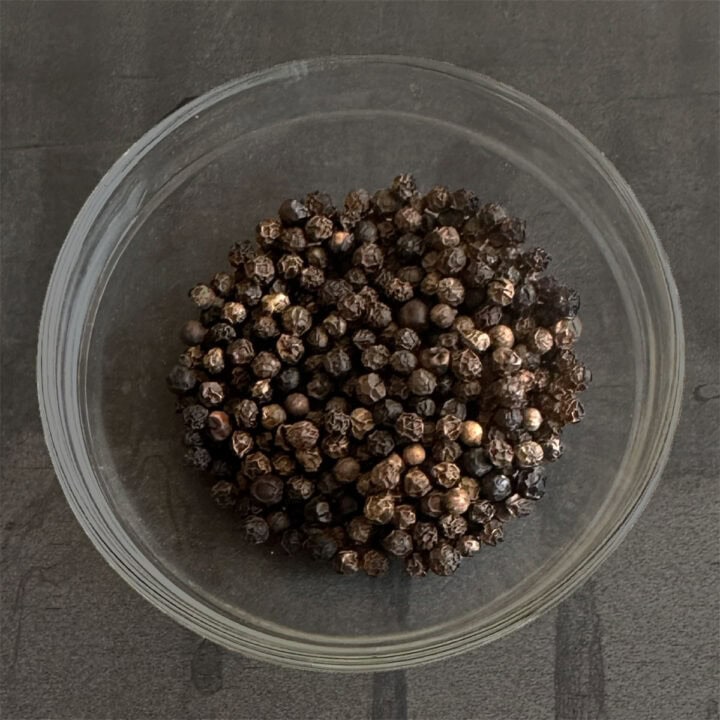
Black pepper is used in the west to add heat to food. But in Indian cuisine its sharp, warm fruitiness is of greater use as a flavoring. There are some exceptions, like the Chettinad cuisine of south India, which uses black pepper both as a flavor and heat agent.
Try black pepper in recipes like Chettinad mushroom masala, vegan Indian pepper chicken, and tofu paneer kali mirch.
Nutmeg (jai phal)
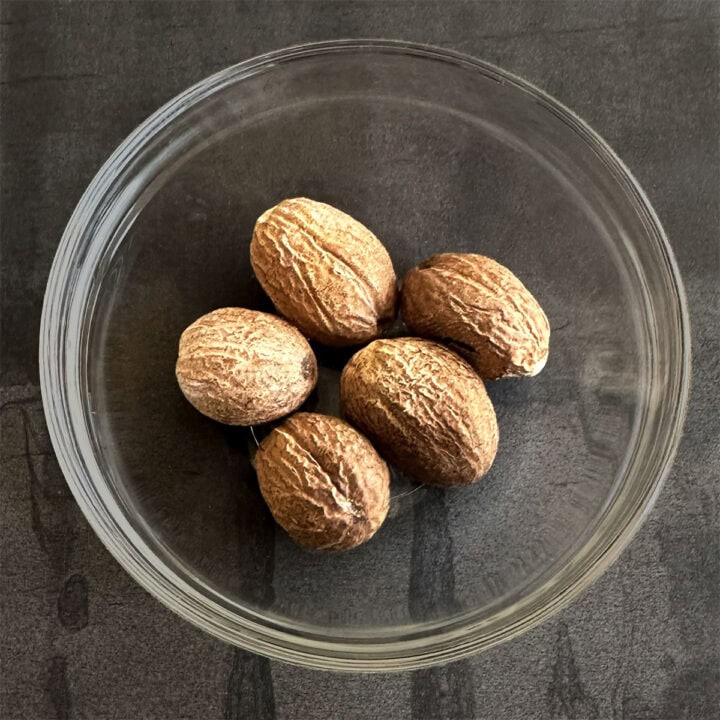
Warm and sweet, nutmeg is typically used in Indian cooking to add balance to spice mixes like garam masala. But it also makes a great addition to Indian sweets, alongside cardamom. It is always best to buy nutmeg kernels whole and then grate them into a powder because powdered nutmeg loses its aroma very quickly.
Use nutmeg in my delicious golden milk spice mix, wonderful for a deep sleep, vegan zarda and curry powder.
Red chili peppers (lal mirch)
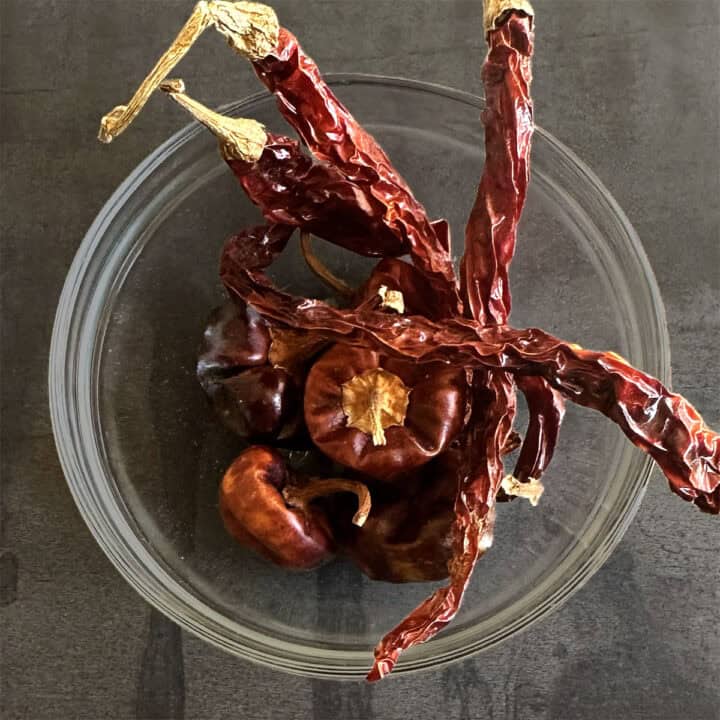
In Latin American cuisine peppers are used for their flavor; in Indian cuisine their main purpose is to add heat. You will find a variety of dried Indian chili peppers on the market and they are usually classified by color and how hot they are. For moderate heat and lovely color in a recipe, use Kashmiri red chili peppers or Byadgi peppers.
Use dried red chili peppers in recipes like mango curry, sauteed okra and bisi bele bath masala.
Stone flower (dagad phool)
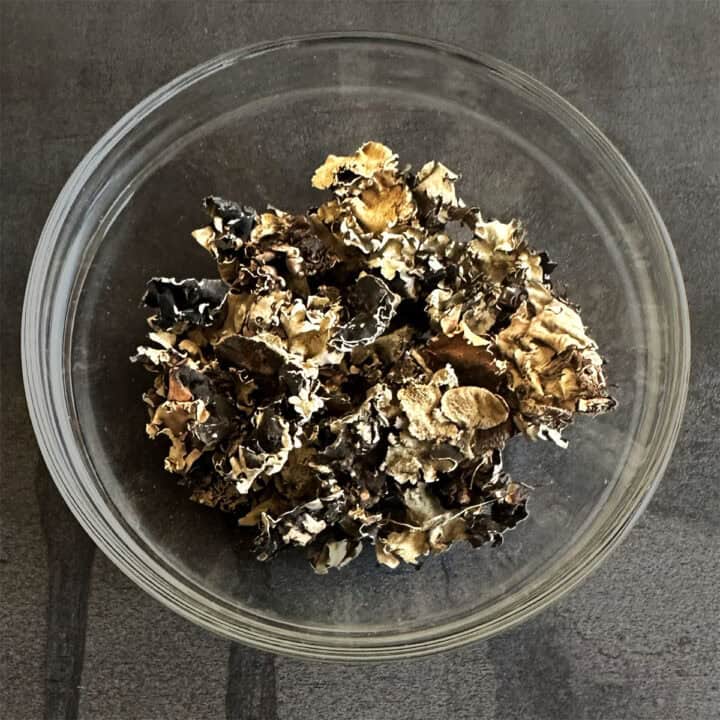
Stone flower, also called dagad phool or patthar ke phool in India, is a type of lichen. It is mostly used in south Indian and western Indian cuisine and may be less familiar spice to some of you. In Maharashtra, where I grew up, it's a common addition to spice mixes because of its woody, smoky flavor that works especially well in spicy curries.
Try stone flower in recipes like mushroom curry and vegan ros omelette.
Bay leaves (tej patta)
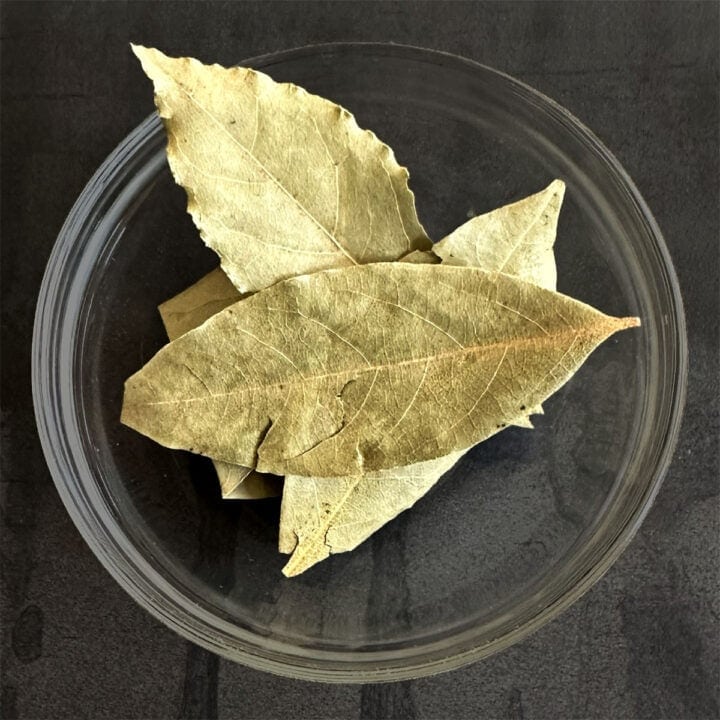
Many global cuisines use bay leaves and in India you will mostly find them used in the dried form. Bay leaves are particularly wonderful in rice dishes like biryani where they add an earthy, herby, floral aroma to the rice. They are also frequently added to powdered spice mixes. Fish out bay leaves before serving curries and rice dishes.
Try bay leaves in Indian dishes like jackfruit curry, jeera rice and Maharashtrian masale bhath.
Powdered spices
Red chilli powder (lal mirch powder)
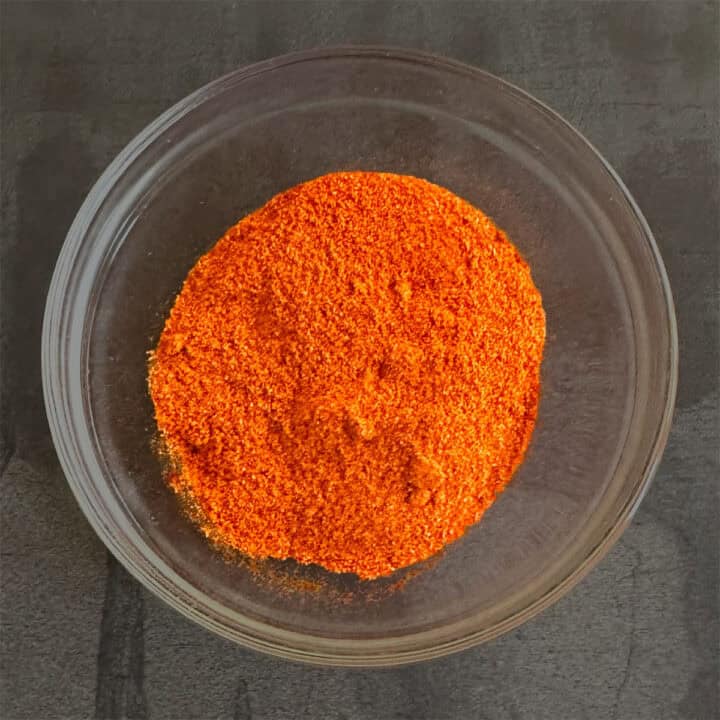
Powdered red chili peppers, called lal mirch, are one of the key spices used in Indian cuisine to add heat to recipes, especially curries. Cayenne is a red chili powder and can be used in most recipes that call for it. I often advise readers who find cayenne too hot to use sweet paprika as a substitute. You can also use Kashmiri red chili powder from Indian stores.
Use red chili powder in recipes like dal tadka, Kashmiri style collard greens, and rogan josh.
Turmeric (haldi)
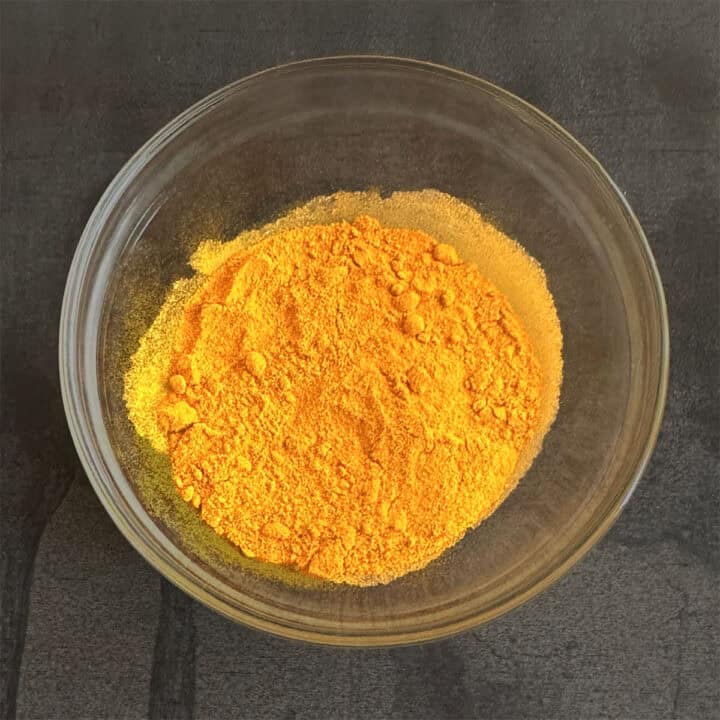
Turmeric is indispensable in Indian cuisine and it is hands-down the most celebrated spice outside India for its healing properties. But it is an easy spice to misunderstand. I find western cooks praising the flavor of turmeric before adding a whole teaspoon or more to a recipe. But turmeric is astringent and bitter, and it is used in Indian cuisine mainly for its healthful properties and color. I've written a whole post on turmeric so you can better understand this golden spice.
Try turmeric in recipes like turmeric curry, turmeric rice and vegan cardamom turmeric cake.
Dried mango powder (amchur)
This is, just like it sounds, a powder of dried, raw mangoes. Amchur has a rich, fruity tang that adds wonderful depth and flavor and it is especially popular in north India, where you can often find it used in curries and parathas. You can substitute lemon for amchur in some recipes, but you won't get quite the same flavor.
Use amchur in recipes like chana masala spice mix, aloo paratha and rajma.
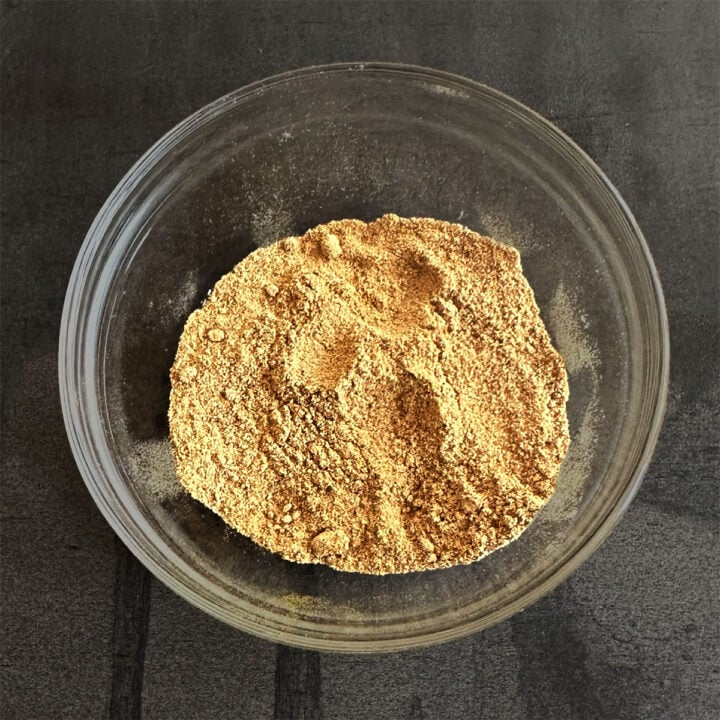
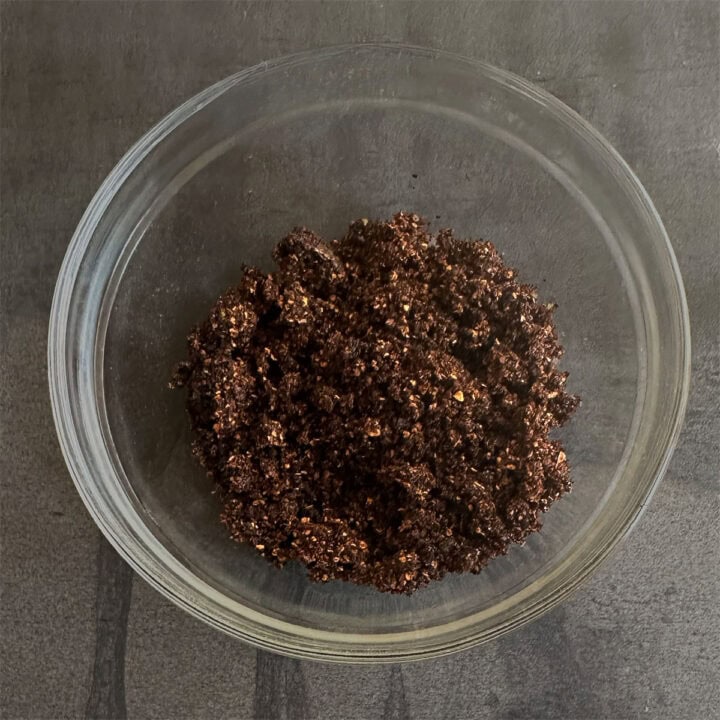
Pomegranate seed powder (anardana)
Like amchur, anardana, powdered pomegranate seeds, add a fruity tang and depth to recipes. Anardana and amchur can sometimes be used interchangeably, although anardana has a coarser texture.
Use anardana to make pindi chole and mint chutney.
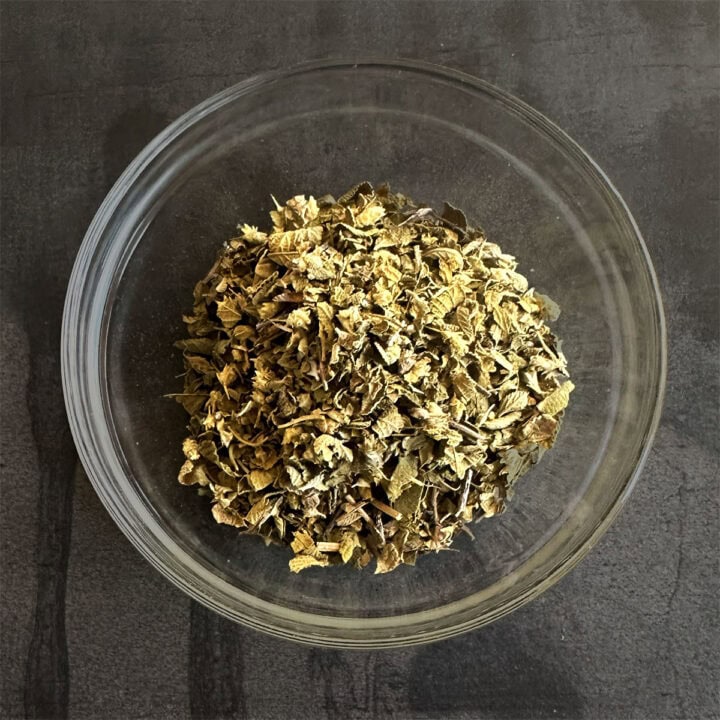
Dried fenugreek leaves (kasoori methi)
Dried fenugreek leaves are frequently used in Indian restaurant-style recipes because their bittersweet flavor adds depth and flavor. Readers often ask if fenugreek seeds are a substitute, and the answer is an unequivocal no. Kasoori methi is much milder, more herbaceous, while fenugreek seeds are quite bitter.
Use kasoori methi in recipes like vegan butter chicken, mushroom matar and dhaba dal.
Now that you have a basic understanding of Indian spices and how to use them you might be interested in learning more about another Indian pantry essential - pulses and legumes used in Indian cooking.
You can also download a printable Indian grocery shopping list here.
For a deeper dive into Indian cooking check out these guides on how to veganize Indian recipes for best flavor, the ultimate guide to Indian vegan cooking.