

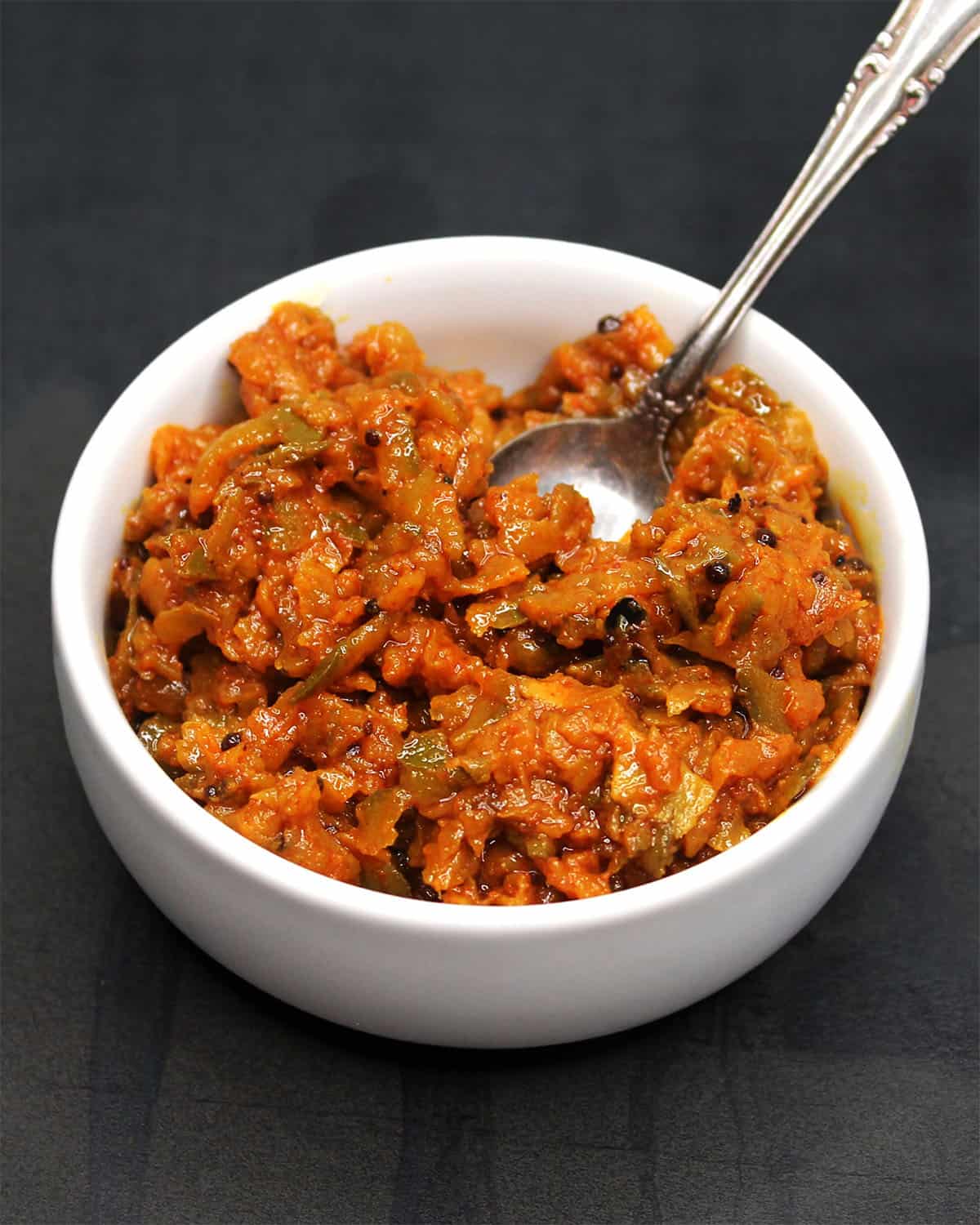
Mango thokku or mangai thokku is Desi's favorite Indian pickle. Most Indian grocery stores stock this south Indian condiment but when green mangoes are in season I love making my own. The raw mango has an indescribably deep and delicious sweet-tangy flavor that becomes all the more magical when combined with hot, smoky and bitter pickling spices.
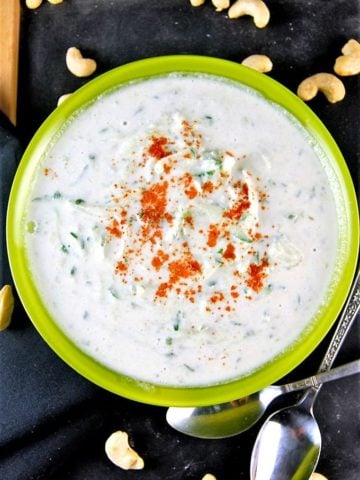
Mango thokku is delicious with dal and rice but for an authentic experience serve it the way a Tamilian would, with vegan curd rice.
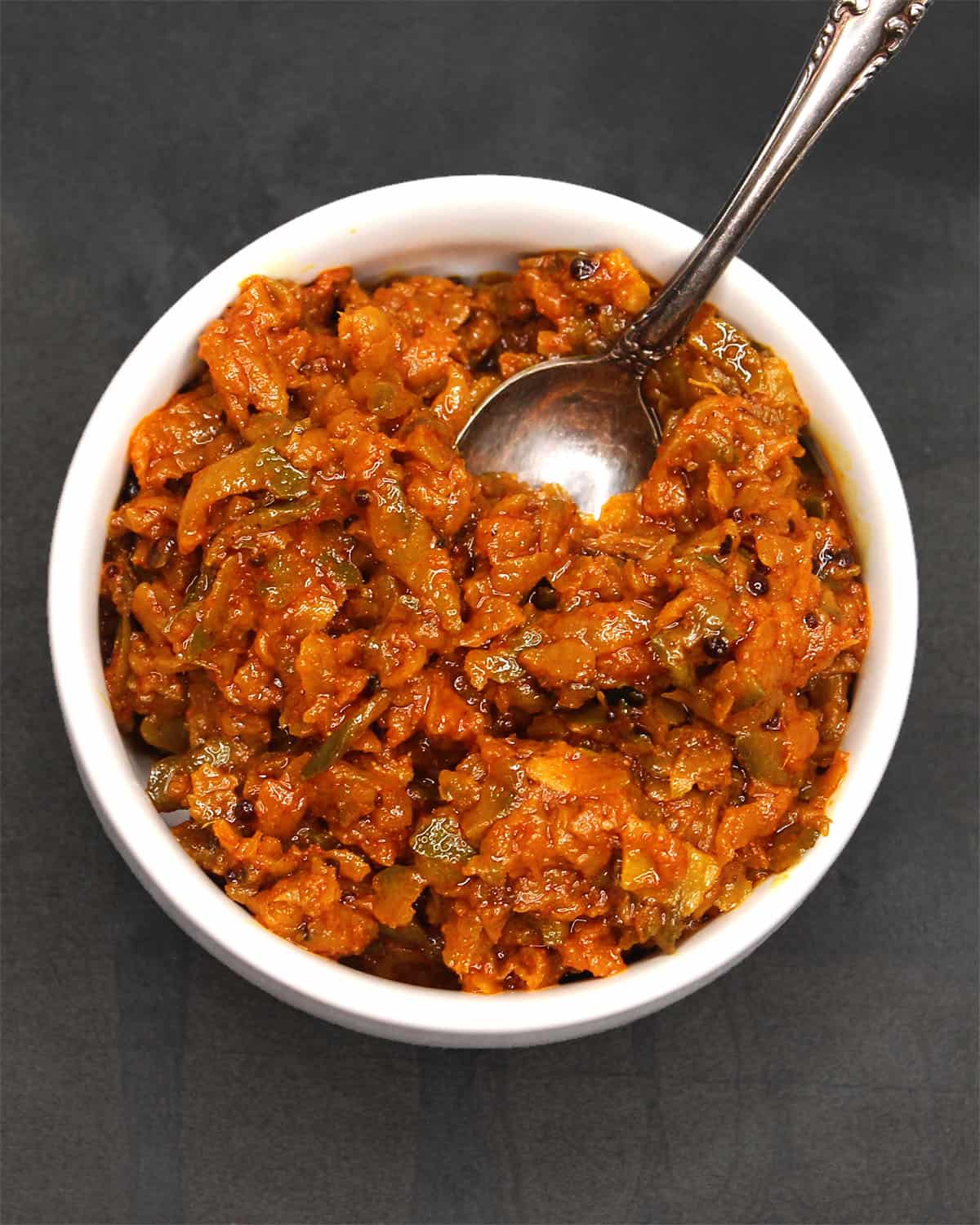
What is mango thokku?
Mango thokku (mangai thokku or "crushed mangoes") are green mango pickles from the south Indian state of Tamil Nadu. The mangoes are mixed with powdered spices and cooked down until they are very, very soft and chutney-like with a creamy mouth feel. The flavor is incredible: rich, spicy and tangy with an underlying hint of sweetness.
This is often called an "instant pickle" because unlike lime pickle, carrot pickle and even other varieties of Indian mango pickles, mango thokku is not fermented and can be eaten right after it is made. Cooking the mangoes kills the bacteria on the fruit that would have aided fermentation but if you find that disappointing, bear in mind you also don't have to wait a week or two for the pickle to ferment in the sun before you can eat it.
Desi remembers scurrying up the mango trees in his childhood home in Chromepet every summer to pick unripe mangoes off the lower branches so his mom could make thokku. Every Tamil home has their version of this pickle but the variations are minor, with the same spices finding their way into every recipe: ground fenugreek seeds, turmeric, chili pepper powder and asafetida.
Early summer is the perfect time to source green mangoes in India, and this is about the time you can find them in Indian stores around the world. They are a nutritional powerhouse, loaded with vitamins C and A, folate, potassium and more, which is a great reason to add them to your diet. Green mangoes are greatly prized in Indian cuisine - almost as much as the ripe, golden mangoes are. Besides pickles they are used to make curries and such seasonal delicacies as this green mango cooler, aam ka panna.
This is an easy, beginner friendly recipe. The best tips I can give you are to follow the recipe and cook the mangoes long enough so they become very soft. You can tell the pickle is ready when the oil separates. It will take a few minutes of stirring, but apart from that making a mango thokku is as simple as grating the mangoes and tossing in a few spices. It's so much reward for just a little work.
Recipe card
Mango Thokku (South Indian Green Mango Pickle)
Ingredients
- 1 cup sesame oil (or mustard oil or any neutral oil with a high smoke point)
- 2 teaspoons mustard seeds (rai, kadagu)
- 1 teaspoon asafetida (hing, perangayam)
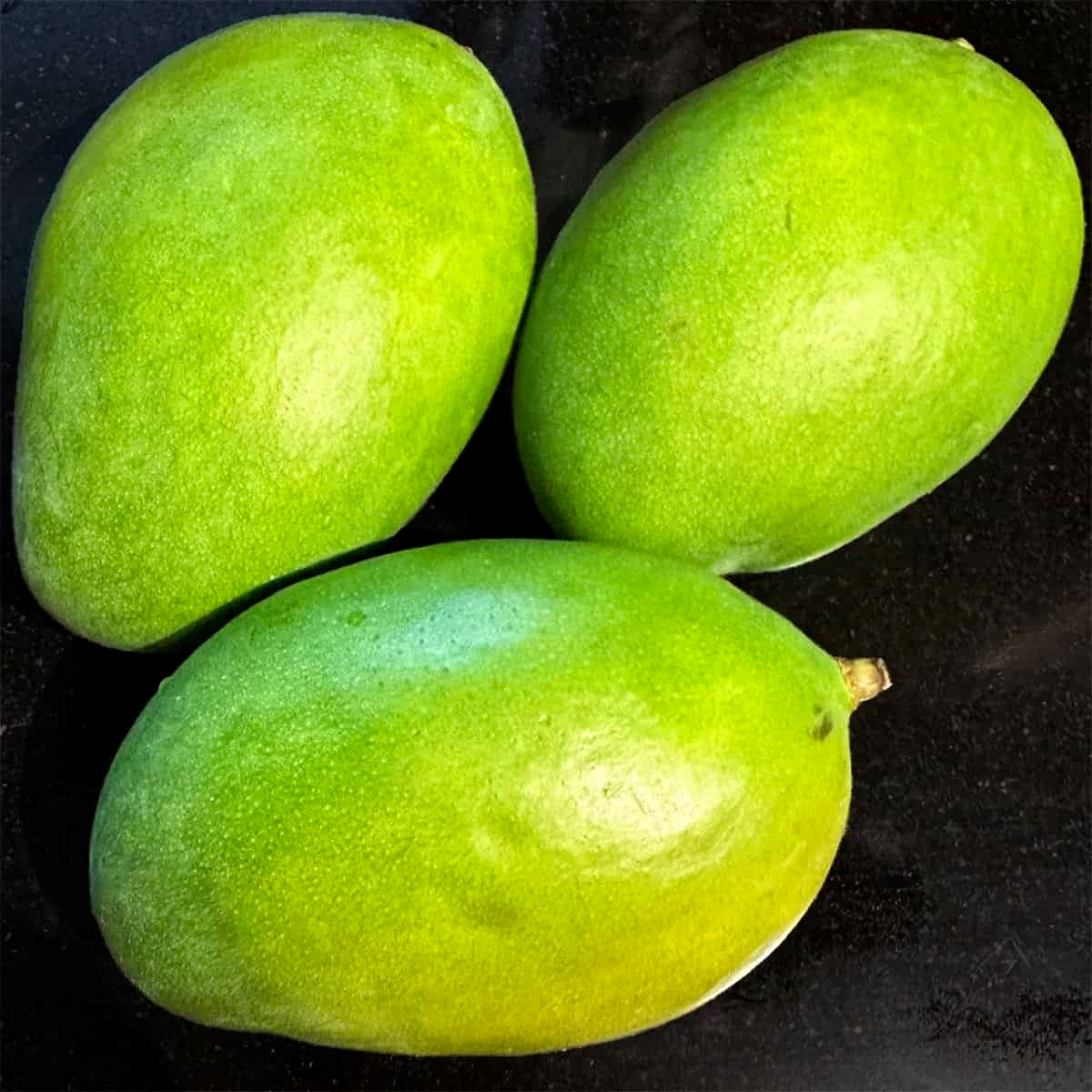
- 3 green mangoes (mine weight 880 grams total before grating. Grate the mangoes using the large holes of a grater. Discard the seed, which is very bitter)
- 2 tablespoons salt (taste and add more if you would like the pickle to be saltier)
- 1 teaspoon turmeric
- 2 teaspoon ground fenugreek
- 2 tablespoons red chili powder (like cayenne or Kashmiri chili powder)
- 1 tablespoon jaggery (or brown sugar)
Instructions
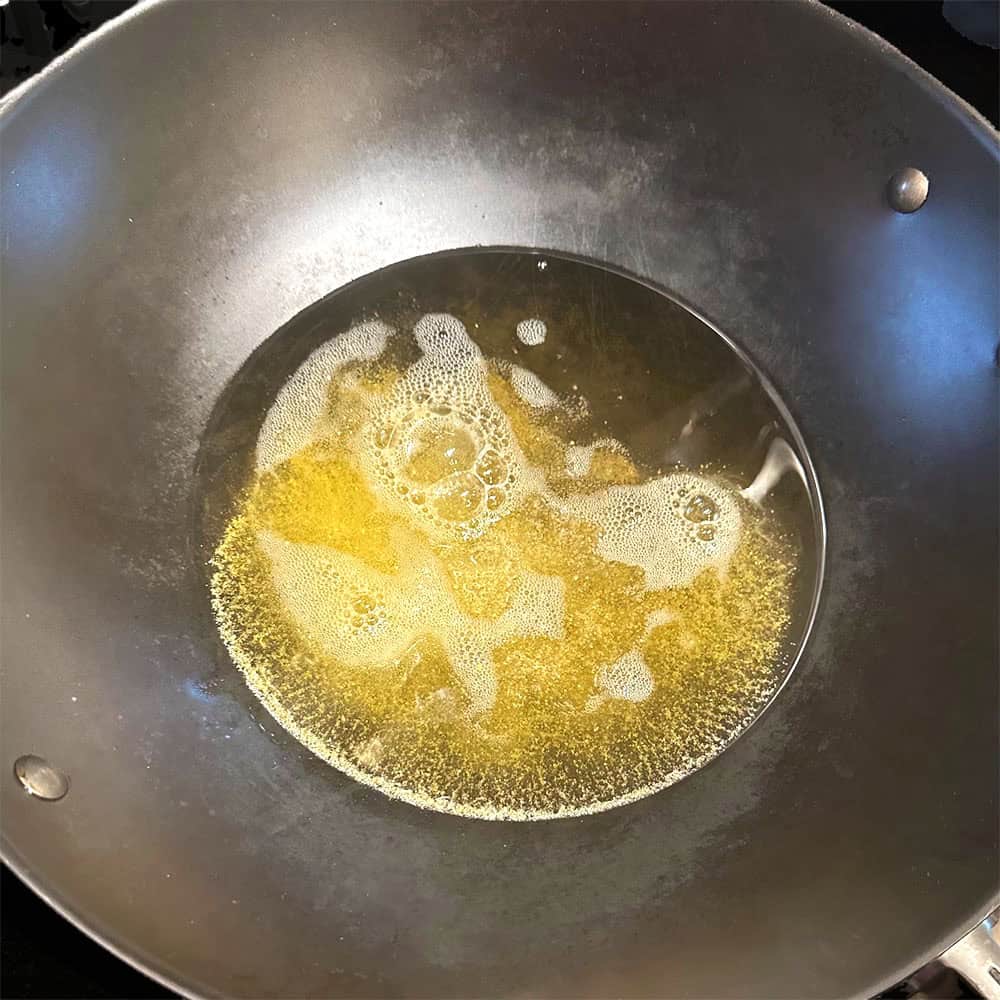
- Heat oil over high heat. Add mustard seeds and asafetida.
- As soon as you hear the mustard seeds pop, add the grated green mangoes and salt.
- Stir in the turmeric and ground fenugreek seeds. Mix and let the mangoes cook for 10 minutes or until they are quite soft.
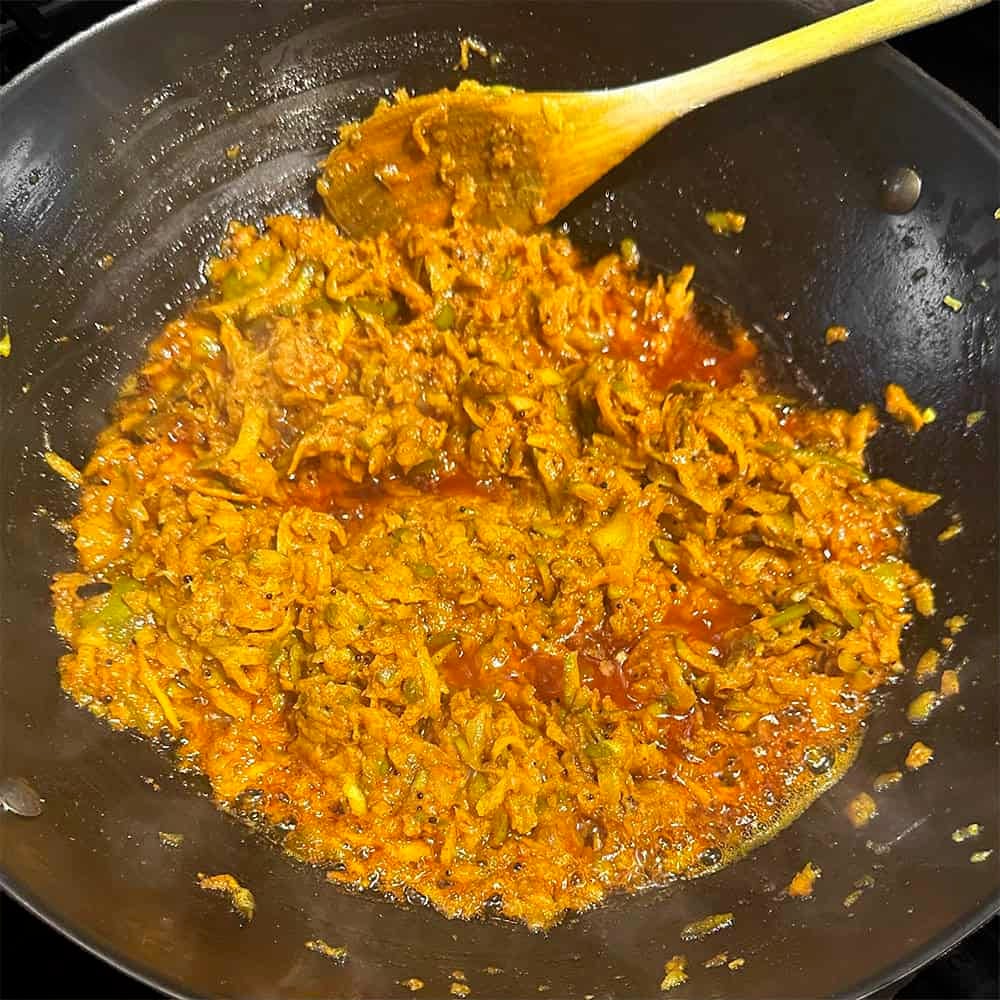
- Stir in the red chilli powder and jaggery and mix well. Continue to cook the thokku until you see the oil separate (refer to the photograph below).
- Turn off heat and let the mango thokku cool to room temperature. Store the pickle in an airtight jar.
Notes
Ingredient notes
- Oil: Sesame oil is traditionally used to make pickles like mango thokku in Tamil Nadu. Indian sesame oil is made with raw sesame seeds and is very different in flavor from toasted sesame oil used elsewhere in Asia. You can also use mustard oil, which has a spicy taste that lends itself beautifully to pickles, or any neutral oil with a high smoke point, like avocado oil.
- Green mangoes: Choose mangoes that are green all over with no soft or brown spots. The skin should be smooth and shiny and the mangoes should feel very firm to the touch.
- Jaggery: Jaggery is an unrefined cane sugar widely eaten around India. You can sue brown sugar as a substitute, or if you have the Latin American sugar piloncillo on hand, use that.
Nutrition Information
How to make mango thokku
Grate the mangoes
- Use the large holes of the grater to grate the green mangoes. Keep the skins on but discard the seed.
Make the tempering
- Heat oil over high heat in a wok or large skillet. Add the mustard seeds and asafetida. It's important to make sure the oil is very hot when you add the mustard so the seeds sputter and pop rightaway.
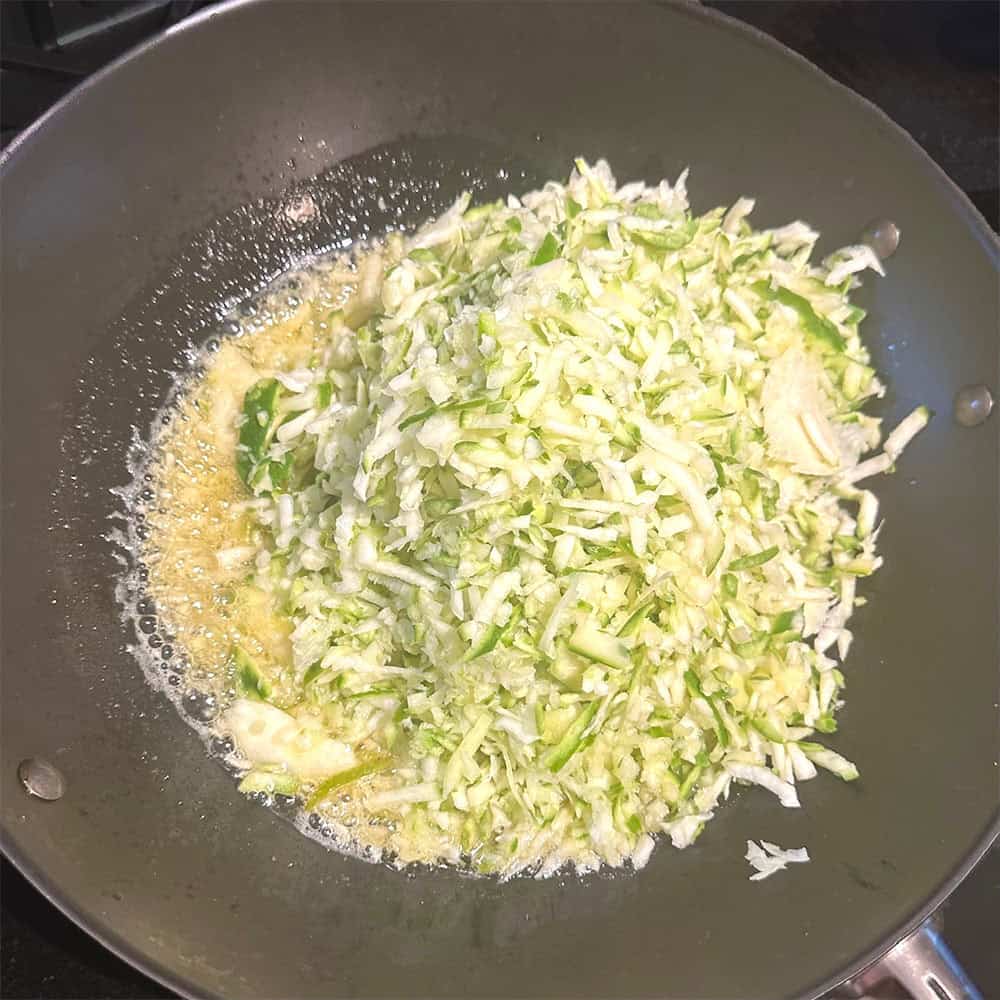
Add the mangoes
- Add grated mangoes to the wok and mix them into the oil and mustard seeds.
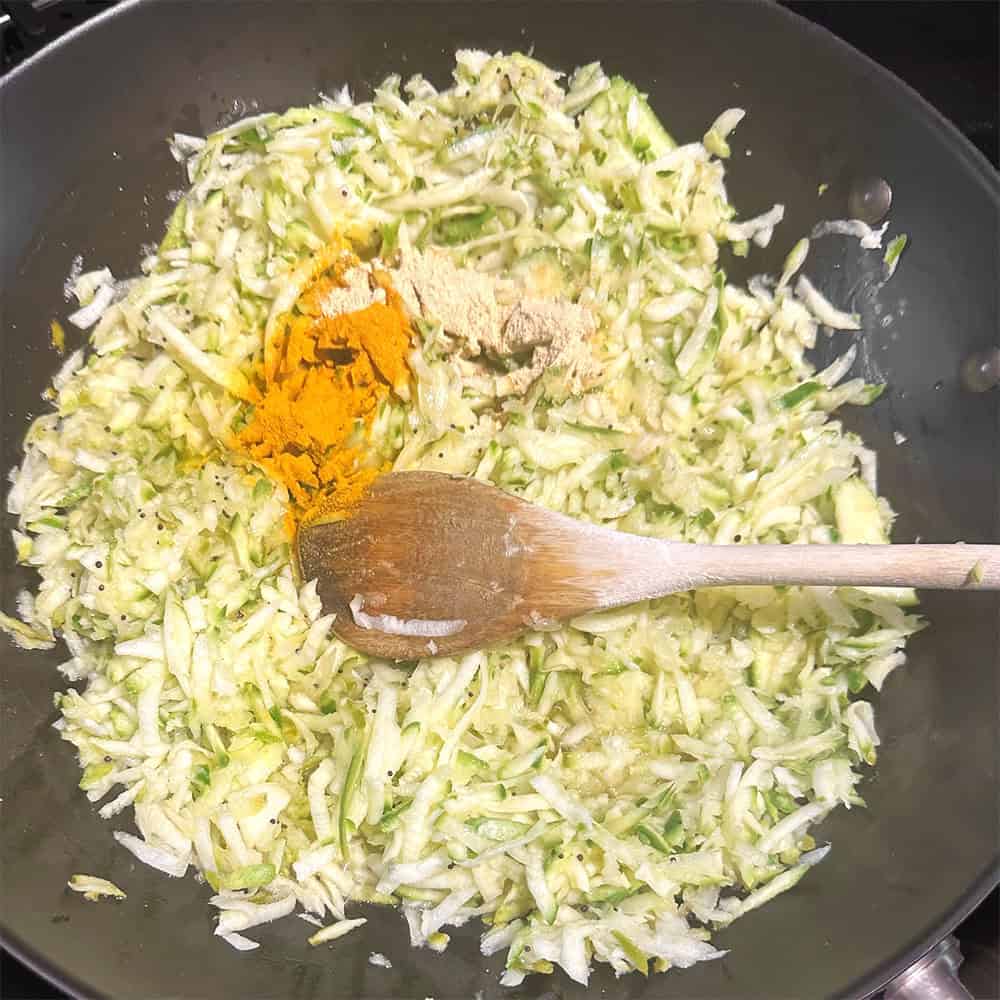
Add seasonings
- Add turmeric and ground fenugreek to the mangoes and mix them in. Let the mangoes cook, uncovered, for about 10 minutes or until they are quite soft. The salt we added earlier should help speed this process.
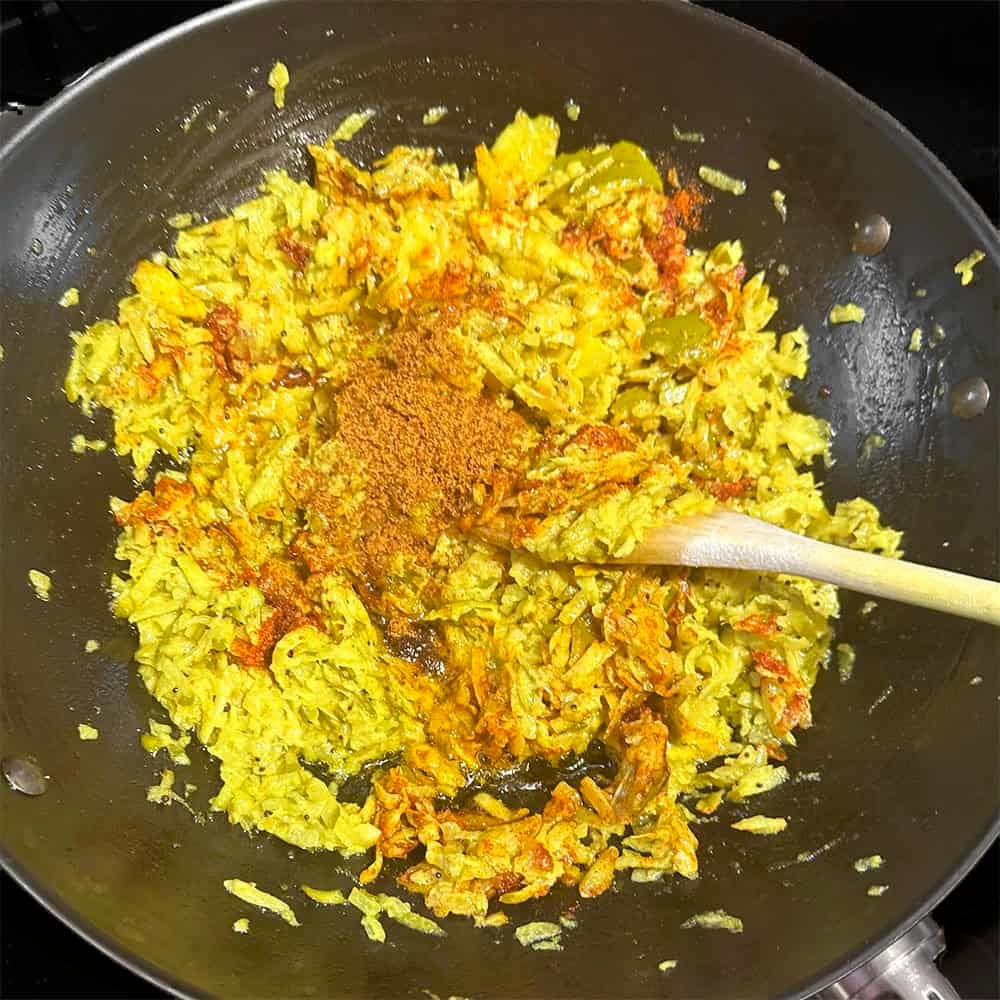
- Stir the red chilli powder and jaggery into the mangoes.
Cook until oil separates
- Continue to cook the mangoes until they are very soft. Watch for the oil to separate into little pools. This tells you the moisture has cooked out of the mangoes and they are ready to eat.
Recipe FAQs
Cool the mango thokku to room temperature and store in an airtight mason jar or any glass jar. If you plan to store it for more than two weeks, make sure you press the thokku down so the oil surfaces to the top and covers the pickle. Always use a clean, dry spoon to take pickle out of the jar. Stored correctly, mango thokku can last up to a year in the fridge. Discard the pickle if it gets moldy or begins to smell off.
Mango thokku is not a fermented pickle, but if you love fermented foods like I do, you can try adding to it some oil from another fermented Indian pickle, which should aid fermentation despite the fact that the mangoes are cooked. Don't leave the mango thokku out in the sun the way you would lime pickle. Store it in the refrigerator and let it ferment slowly.
Green mangoes can be found around India in early summer. If you live outside India, you can source them at most Indian, Asian and Latin American grocery stores this time of year.
No, discard the seed because although it's quite tender it is also very bitter.
Mango thokku tastes best with thayir sadam or south Indian yogurt rice. You can also mix it into rice for a meal, or serve it with a simple yellow dal and basmati rice.


Comments
No Comments