

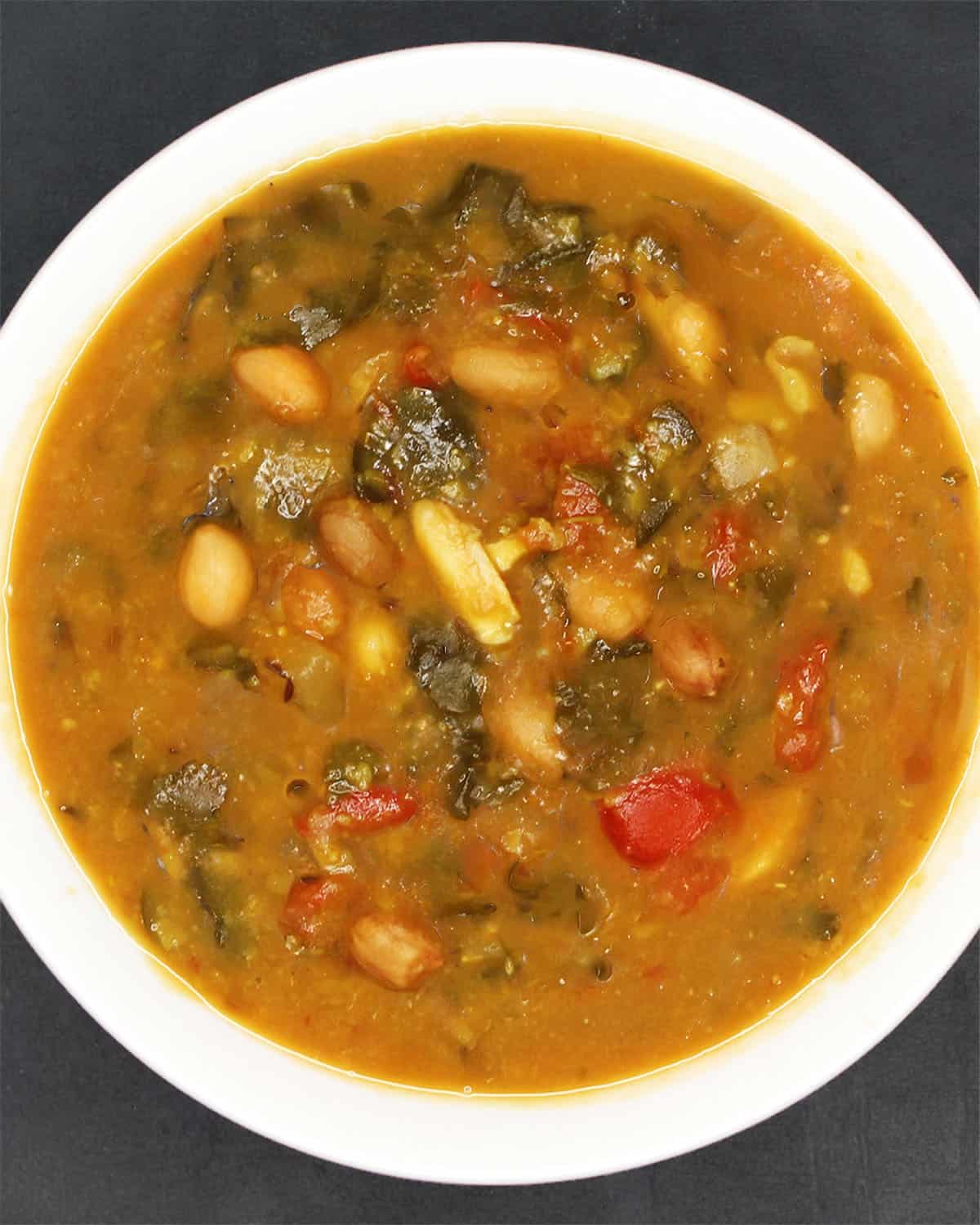
Scoop up this tasty, nourishing moringa dal with roti or serve it over rice. It's garlicky, spicy and tangy and it makes a healthy dinner that everyone will love.

Table of Contents
What is moringa dal?
Moringa dal is a type of Indian dal made by simmering toor dal or yellow lentils with the tender leaves of the Indian drumstick tree or moringa tree. This is a delicious dish, with a medley of flavor notes that liven up the tastebuds, and it could be a delicious addition to your weeknight dinner menu.
The moringa tree is native to India where it has long been used in everyday cooking, beloved as much for its fabulous flavor as it is for its health benefits. Back in the day in India you wouldn't have found any moringa powder or moringa supplements - the forms of moringa you are more likely to encounter here in the United States. What you would find is piles of long, slender moringa pods and large bundles of moringa leaves at the vegetable market, both tastier and healthier than any supplement could ever be.
Moringa pods - fibrous seed pods that are called drumsticks in India because that's what they look like - are added to dishes like sambar for their unique, delicious flavor. You don't eat the pods - you chew on them to extract the juices inside. Moringa leaves can be cooked into a sabzi, an Indian vegetable stir-fry, or added to dal.
I've used dried moringa leaves to make this dal in the past but recently I came across a large bunch of moringa leaves at the Indian grocery store. I was excited. The fresh moringa leaves have more flavor than the dried and I love them so, I even tried growing moringa in my Maryland garden this past summer. I was only very modestly successful and I didn't have the will to lug the plant indoors to overwinter alongside my curry leaves and aloe vera. I might still try to plant from seed again next year, but finding moringa leaves at the store gave me hope I wouldn't have to depend on my gardening skills to enjoy this amazing vegetable.
Moringa leaves are often described as having a bitter flavor, but to me they don't taste bitter at all, especially compared to other bitter greens like fenugreek or arugula. When moringa leaves are cooked, their flavor mellows down quite a bit and you might not be able to tell it apart from spinach. However, moringa is well worth adding to the diet alongside other leafies like spinach and kale because it is a powerful superfood, with copious amounts of quality protein, calcium and iron - all valuable nutrients for a vegan.
My version of moringa dal riffs off other leafy green dal recipes I often make on weeknights, like methi dal and amaranth dal. It's a simple recipe, with no blending needed, nor any special masalas. Once you have the lentils cooked, it takes minutes to put together.
This is a versatile dish, like all Indian dals. You can make it thicker to scoop it up with an Indian bread like naan or roti. Or you can make it soupier, which is perfect for rice, and you can omit the peanuts if you are nut-free. Serve it with a simple vegetable side like this cabbage curry for a wholesome, delicious meal.
Recipe card
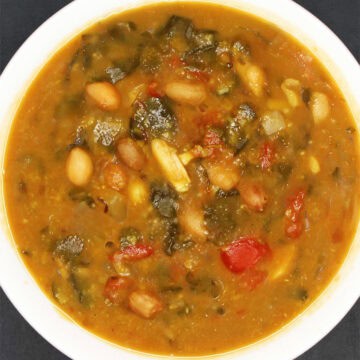
Moringa Dal (Dal with Drumstick Leaves)
Ingredients
- 1 cup toor dal (yellow split pea lentils or pigeon peas)
- ½ teaspoon turmeric
- ¼ teaspoon asafetida (hing, optional)
- 1 tablespoon oil (any neutral oil of choice)
- 1 teaspoon cumin seeds
- 8 cloves garlic (thinly sliced)
- 1 medium onion (finely chopped)
- 2 medium tomatoes (diced)
- ¼ cup peanuts (optional)
- 1 large bunch moringa leaves (about 8 cups. Trim the tough stems and include only the leaves. You don't need to chop the leaves).
- ½ to 1 teaspoon cayenne (or any red chilli powder. Use less for less heat)
- 1 teaspoon tamarind paste
- 1 tablespoon sugar (or jaggery)
- Salt to taste
Instructions
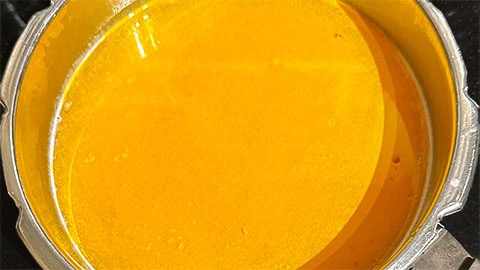
- Pressure cook the lentils or cook them in a saucepan with the turmeric and four cups water until very tender.

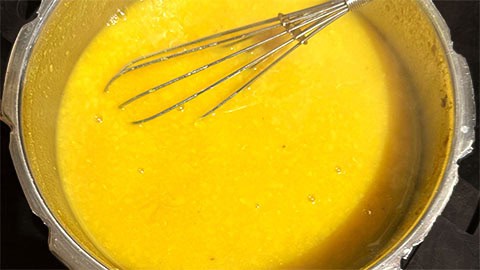
- Use a whisk to beat the the cooked lentils until very creamy.
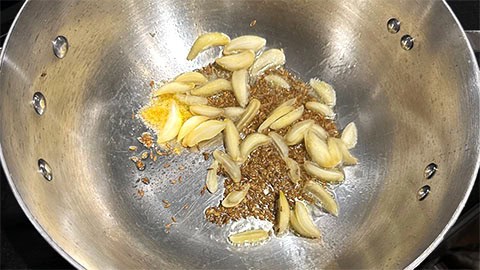
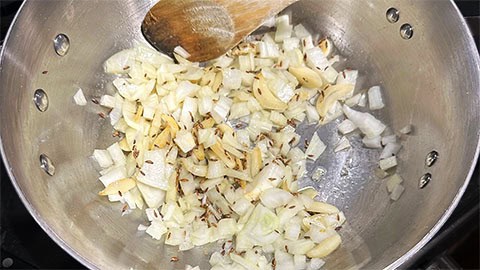
- Heat oil in a saucepan over medium-high heat. Add the cumin seeds and asafetida, if using. Sauté for a minute until cumin seeds darken a couple of shades. Lower heat to medium, stir in the garlic and sauté for a minute until the onion begins to turn golden.
- Add the onions with a pinch of salt. Sauté for 3-5 minutes until the onions are translucent.
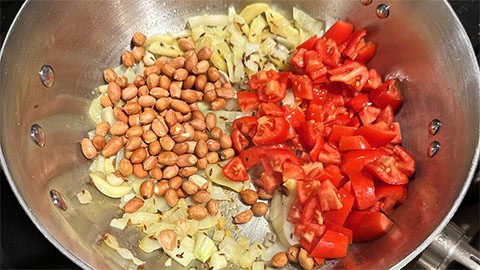
- Add peanuts and tomatoes to the pot and mix. Cook until the tomatoes turn quite pulpy, another 3-5 minutes.
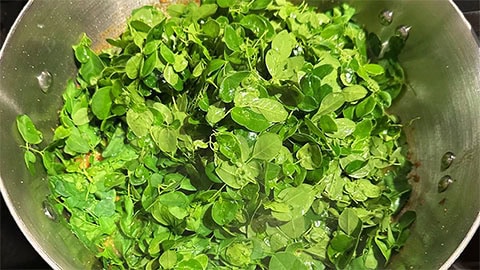
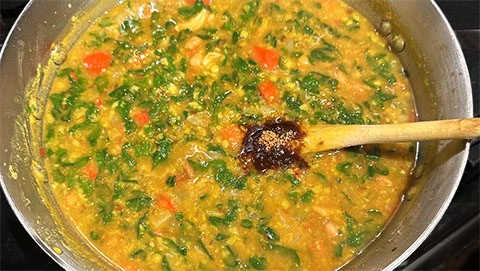
- Add the moringa leaves to the pot and stir them in.
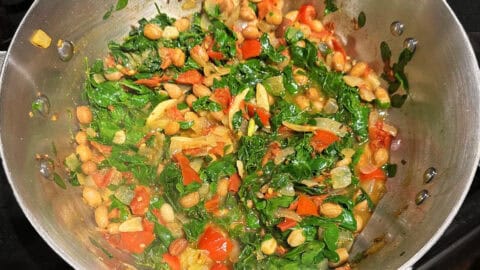
- After a couple of minutes the quantity of moringa leaves would have reduced quite a bit.
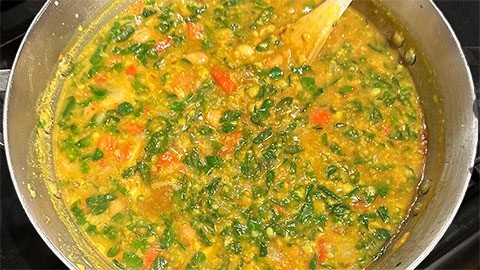
- Stir the cooked lentils into the pot and mix well. Add cayenne, tamarind and sugar or jaggery and mix. Let the dal come to a boil. Add salt to taste.

- Continue to simmer the dal for five minutes. Turn off heat and serve hot or warm.
Nutrition Information
Moringa dal FAQs
Yes, absolutely. I have often made this dal with dried moringa leaves and it's quite delicious. Use 3-4 cups of the dried leaves in this recipe and add them at the same time as you'd add the fresh moringa. Garnish the dal with cilantro at the end to add some freshness.
Yes, toor dal has the best, creamiest consistency for this dal, but you can use either masoor dal or moong dal or a mix.
To cook lentils on the stovetop instead of a pressure cooker, wash the lentils and place them in a saucepan with at least an inch of water to cover. Bring the lentils to a boil, then reduce heat to a simmer and cook the lentils for 20-30 minutes or until they are very, very tender.
You can add more water to make the dal soupier, or if you plan to serve it with basmati rice or quinoa. Make the dal thicker if you're serving it with roti or naan.
Refrigerate the dal for up to four days or freeze for up to three months. Reheat the dal in a saucepan, adding more water (and salt) if needed.


Hasan Jaffer says
This moringa dal recipe is so refreshing and wholesome. I love how simply it’s prepared, yet packed with flavor from garlic, cumin, tamarind, and tomatoes. Adding peanuts is a really nice touch for texture, and the way the moringa leaves are gently simmered into creamy lentils sounds delicious. It’s the kind of comforting, nutritious dal that feels perfect for everyday meals. Definitely trying this one soon.