

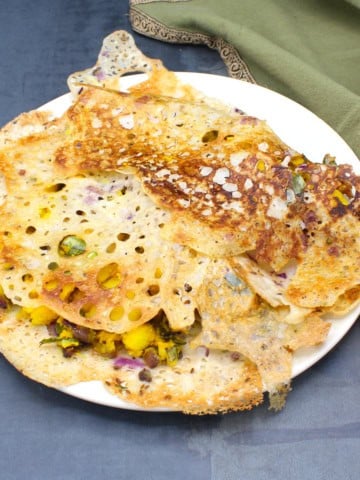
Learn how to make soft, fluffy south Indian uttapam with crispy edges, just like the Udupi restaurant version you love! The batter is easy to put together and you can ferment it to make it healthier and tastier. Serve the uttapam for breakfast, a snack or dinner with sambar or coconut chutney.
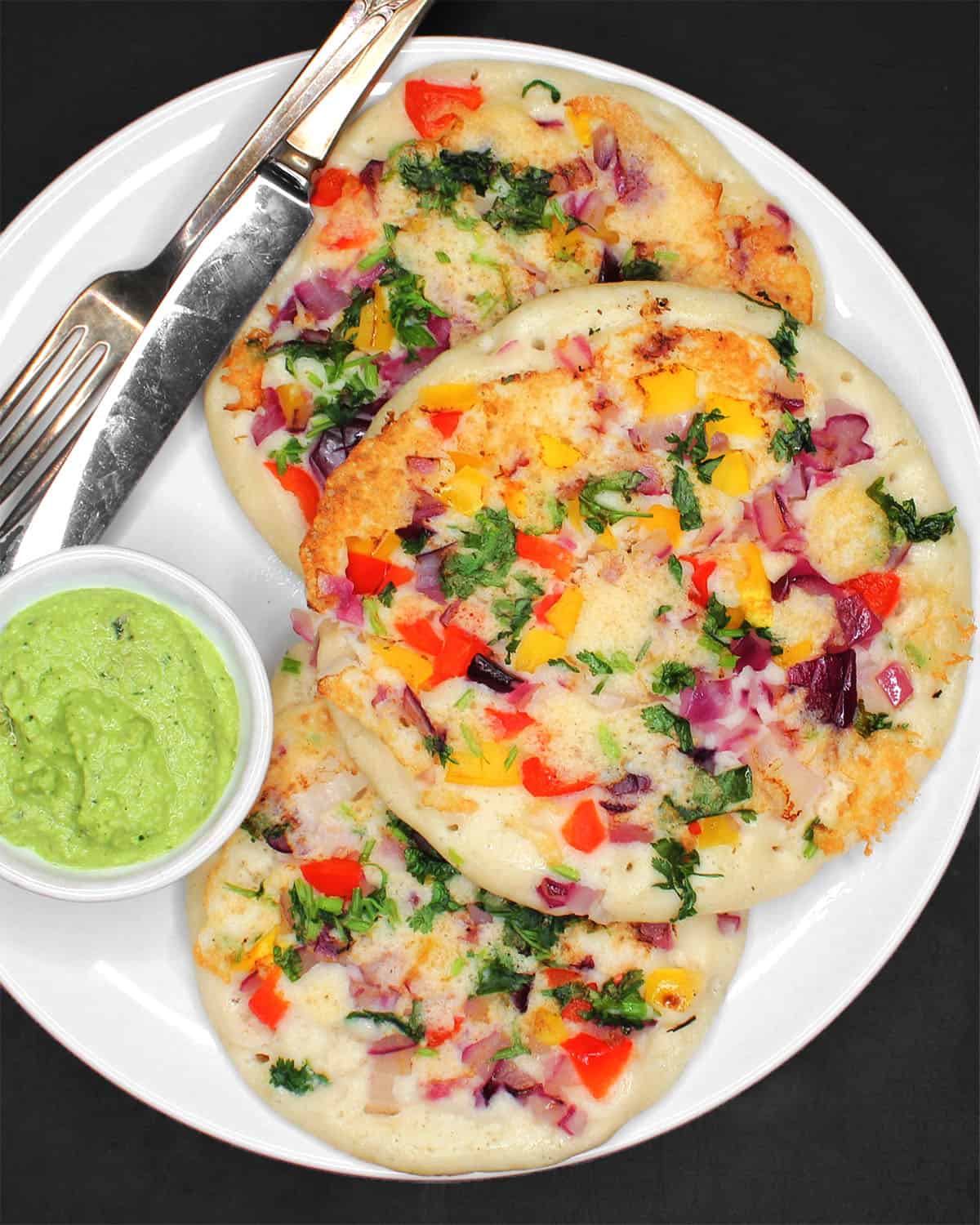
Table of Contents
What is uttapam?
Uttapam (pronounced oo-thuh-pum) is a classic south Indian pancake made with a fermented batter of rice and lentils. If you've never run into one before, think of it as a chubby, onion-flecked dosa crossed with an idli. The basic ingredients in all three recipes are the same - rice and lentils - but the different methods used to cook each makes a world of difference to their final textures and even flavor.
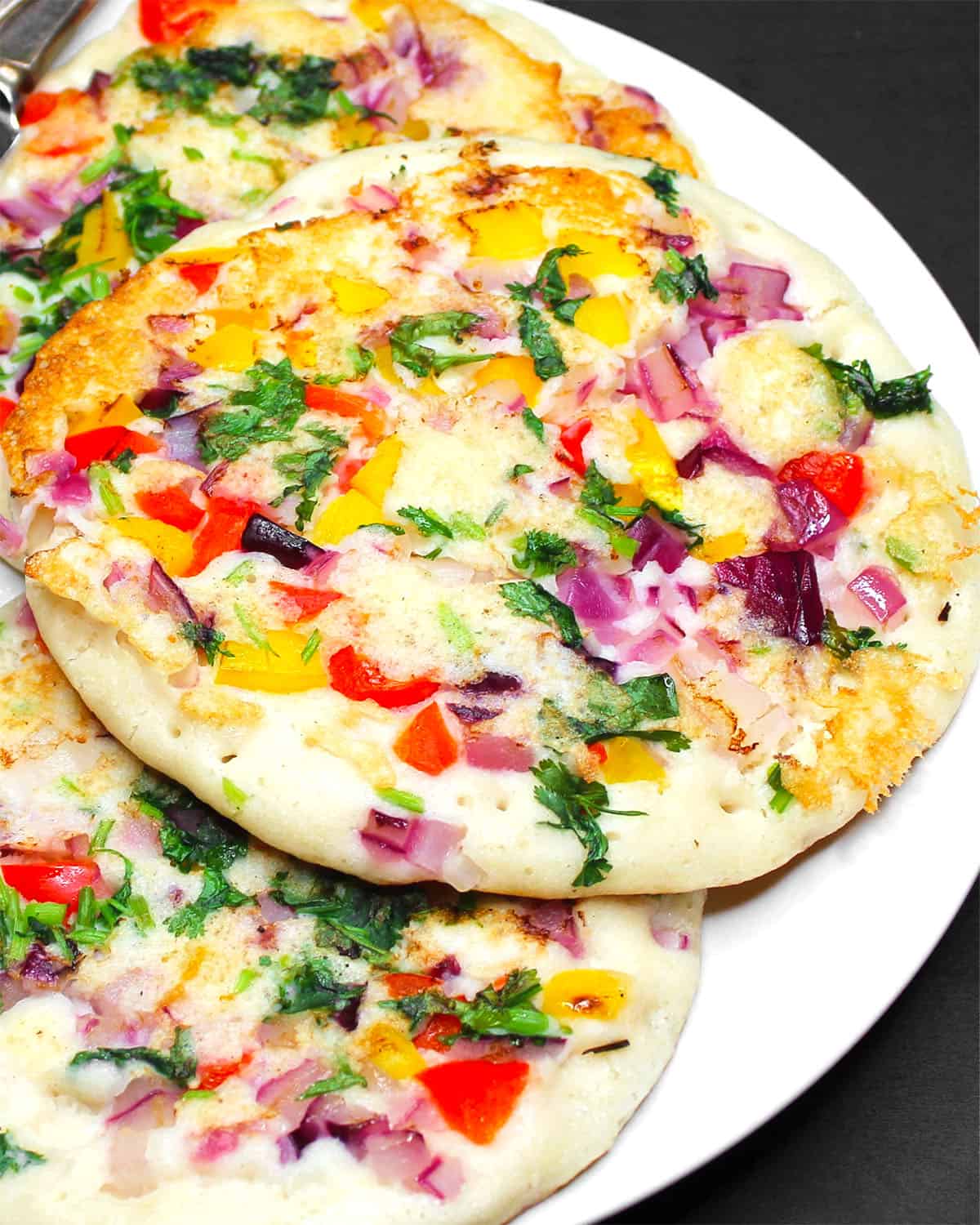
While a dosa is shaped into a thin, crispy crepe and an idli is steamed so it's soft and puffy, utappam batter is poured onto a hot griddle and left alone, just like making pancakes. As the natural gases in the fermented batter escape, the uttapam fluffs up and steams on the inside even as the edges get delightfully golden and crispy.
Uttapam is served as a snack or a light meal in south Indian homes and it's a popular offering at south Indian fast-food eateries called Udupi restaurants. But it also makes a great breakfast food because it's innately healthy, soy-free, nut-free and gluten-free, with the rice and lentils together creating a perfect protein.
Restaurant cooks customize uttapam by sprinkling on vegetables and herbs, usually onions, tomatoes, cilantro or curry leaves. The veggies and herbs sink and nestle cozily in the batter, adding a deliciously toothy texture and lots of flavor.
When I make uttapam batter I like to keep things quite simple and quite traditional. The batter is a lot like my dosa batter or idli batter but I do change up the proportions of the ingredients for the best results - crispy edges and a soft, spongy center. Fermenting the batter is optional but I recommend doing it for better flavor and health benefits.
I make this uttapam recipe at least once every month for breakfast or a light dinner and it's even made a happy convert of my Tamil husband, Desi, once a self-avowed uttapam hater (I'd never seen him eat one willingly until I started making these).
I can't wait for you to try it in your kitchen!
The word "tiffin" is used in Tamil Nadu to describe a light meal or snack and it's believed to have been derived from an English slang term, "tiffing," meaning a light snack or drink. Next time you're looking for a quick, light meal, try one of these tiffin recipes, including ven pongal, rava upma and rava idli.
Sample schedule for making uttapam
To make uttapam with a fermented batter you will need to plan a day ahead. Here's the sample schedule I follow when I make uttapam for breakfast:
9 a.m. (previous day): Soak rice and lentils with fenugreek seeds.
7 p.m.: Blend the batter and set it in a warm spot to ferment overnight.
8 a.m.: Make hot, delicious uttapam!
Ingredient notes
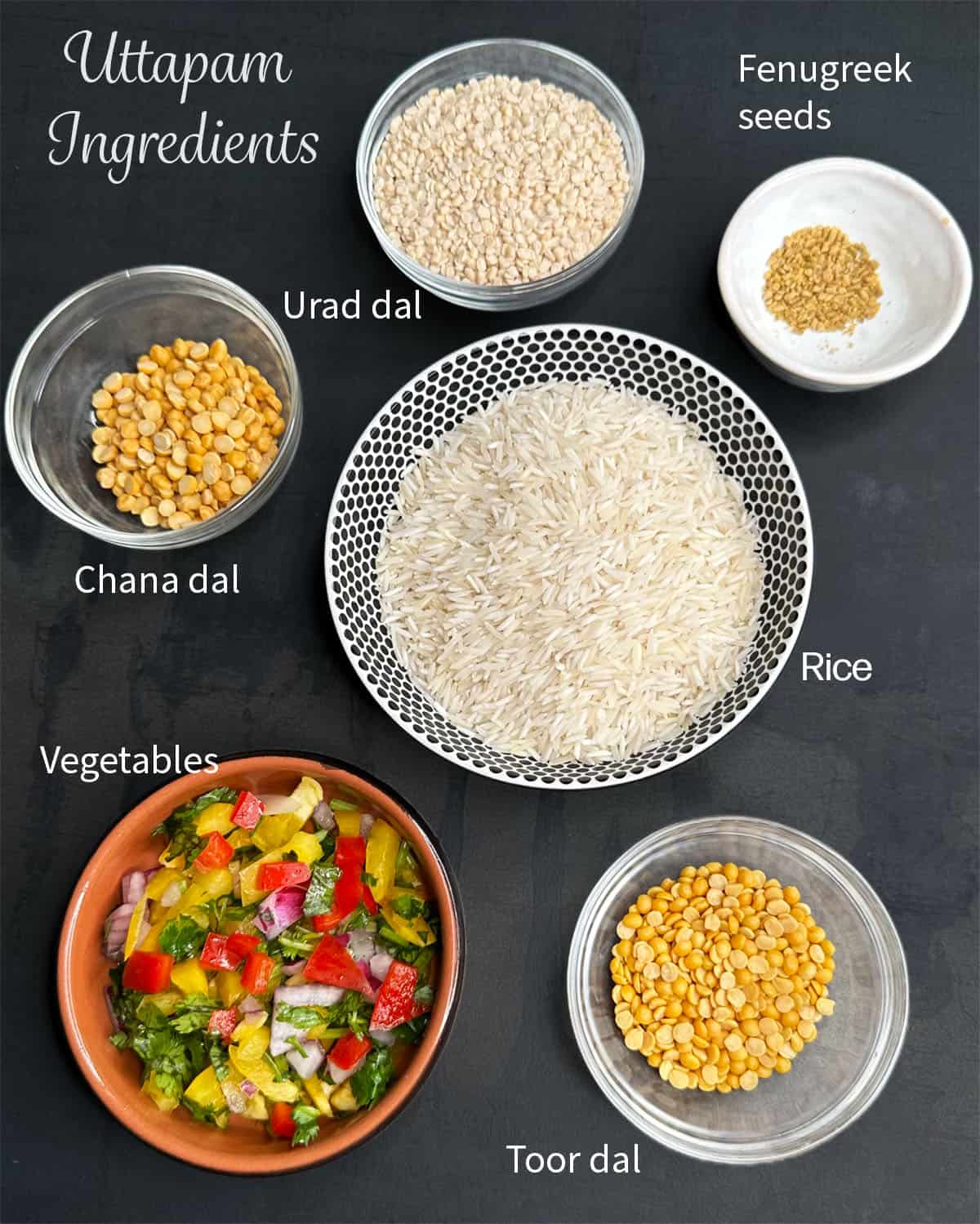
Rice: Just like my dosa and idli recipes I don't use any special varieties of rice to make uttapam batter. I use basmati rice, which I always have in my pantry to make my Indian and other rice dishes, and it works like a charm. This is a very healthy food as it is, with the fermentation adding a healthy dose of probiotics. But f you want a healthier version you can make uttapam with brown rice. The resulting pancake, just like my brown rice dosa, is very similar to the original version. And you get the benefit of eating a whole grain.
Lentils: Urad dal is the primary lentil in this recipe. But I like adding a couple tablespoons each of chana dal and toor dal as well. The chana dal adds nutty flavor. The toor dal is added thanks to my sister-in-law, Lalitha manni whose voice guides me each time I set out to make uttapam and other south Indian crepes, reminding me that the little bit of toor dal will make them crispier. So in it goes.
Fenugreek seeds (methi): These tiny seeds make the batter ferment faster and they add depth of flavor.
Recipe card

Uttapam
Ingredients
For uttapam batter
- 1 cup rice (see ingredient notes above for varieties of rice you can use)
- ½ cup urad dal (black gram dal)
- 2 tablespoon toor dal (split yellow pigeon peas)
- 2 tablespoon chana dal (Bengal gram dal)
- ½ teaspoon fenugreek seeds (methi dana/venthayam)
- 1 teaspoon sugar (optional, I like to add it to feed the probiotic bacteria)
- Salt to taste
For topping the uttapam
- 1 medium onion (finely chopped)
- 1 medium bell pepper (finely chopped)
- 1-2 green chillies (like jalapeno or serrano peppers. Chop the chili peppers fine. Be sure to deseed them first if you're sensitive to heat.)
- 2 tablespoon cilantro (finely chopped)
Instructions
Make uttapam batter
- Mix the rice, urad dal, chana dal, toor dal and fenugreek seeds in a bowl. Add four cups water and set the bowl aside for 8-12 hours.
- Drain the soaked dals and rice and place them in a blender along with ¾ cup water. Blend into a batter. The batter should look smooth but when you rub a bit between your thumb and forefinger you should feel a slight grittiness. The consistency should be slightly thinner than a pancake batter.
Ferment uttapam batter
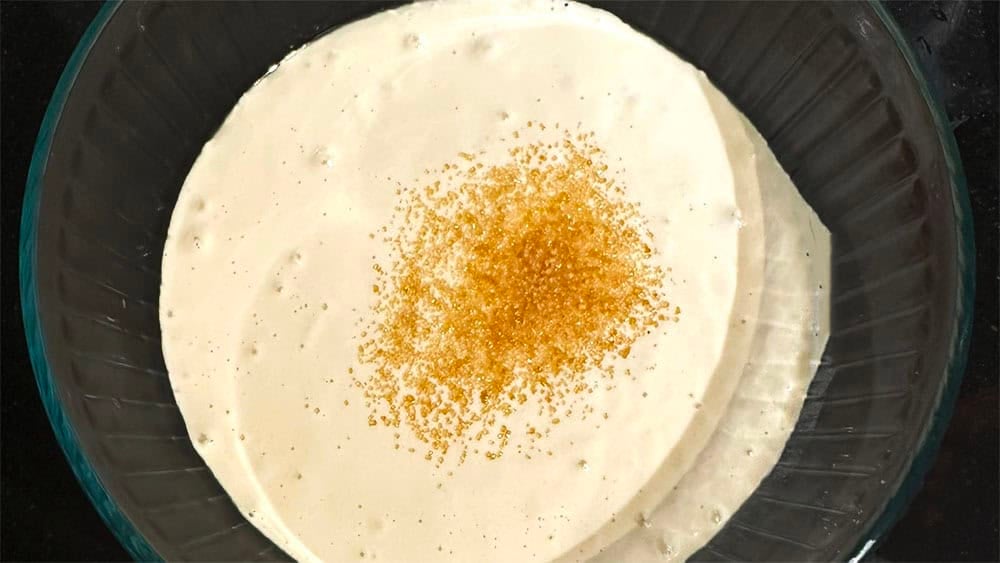
- Pour the batter into a bowl, mix in the sugar and salt, cover and set it aside in a warm spot to ferment, overnight or for 8-12 hours. In winter, you can ferment the batter in the Instant Pot on the yogurt setting for 10 hours, or set the covered bowl in a cold oven with the light on.
Make uttapam
- Deflate the puffy, fermented batter by stirring it with a ladle, If the batter looks too thick to be pourable you can add a little more water at this time.
- Heat a cast-iron griddle or nonstick skillet over medium high heat until drops of water sprinkled on the surface sizzle and evaporate within a few seconds. Rub the surface of the griddle with some oil (use a kitchen towel or an onion cut in half to do this). You don't want visible drops of oil on the skillet - you just want a thin coat of oil on the surface.
- Pour ½ cup of the uthappam batter in the center. You don't need to spread this as you would a dosa, it should widen out a little on its own into a pancake about five to six inches in diameter.
- Sprinkle on a couple of tablespoons of vegetables and herbs - onions, bell peppers and cilantro.
- Drizzle a few drops of oil along the edges of the uthappam to help it crisp up and become golden-brown. This also makes it easier to flip the uthappam.
- Let the uthappam cook until the edges begin to dry out and the bottom is golden-brown. You can optionally cover the pan with a lid or poke a few holes with a fork in the center of the uttapam to ensure it cooks through and no raw batter is left on the inside.
- Gently ease the uttapam from the griddle with a thin spatula and flip it. Cook for another minute, then remove to a plate.
- Serve hot.
Nutrition Information
How to make uttapam (detailed instructions with photos)
Make the batter
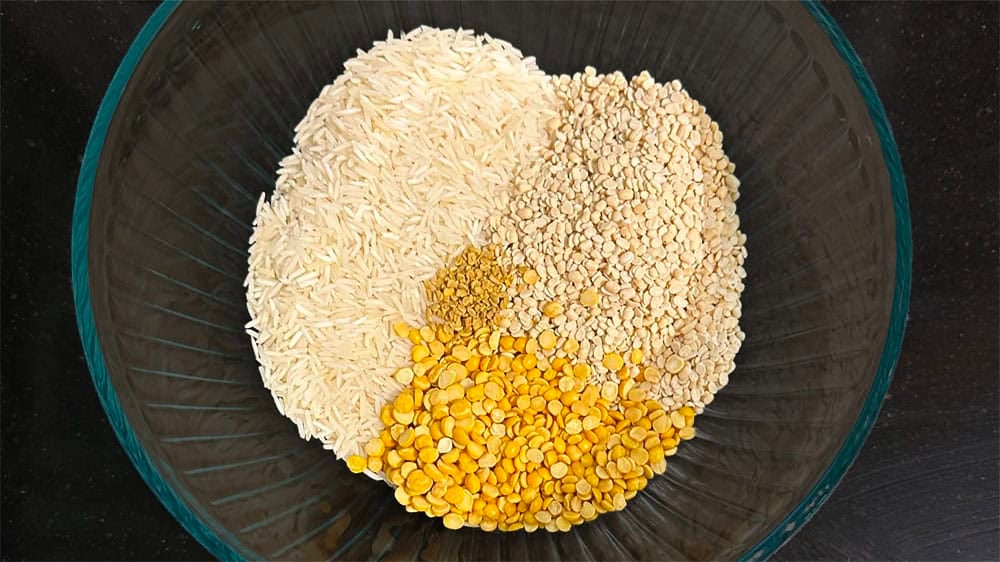
- Mix the rice, urad dal, chana dal, toor dal and fenugreek seeds in a bowl. Add four cups water and set the bowl aside for 8-12 hours. The rice and lentils will absorb a good deal of the water during this time.
- Drain the soaked dals and rice and place them in a blender along with ¾ths cup water. Blend into a batter. The batter should look smooth but when you rub a bit between your thumb and forefinger you should feel a slight grittiness. The consistency should be pourable and slightly thinner than that of a pancake batter.
Ferment the batter
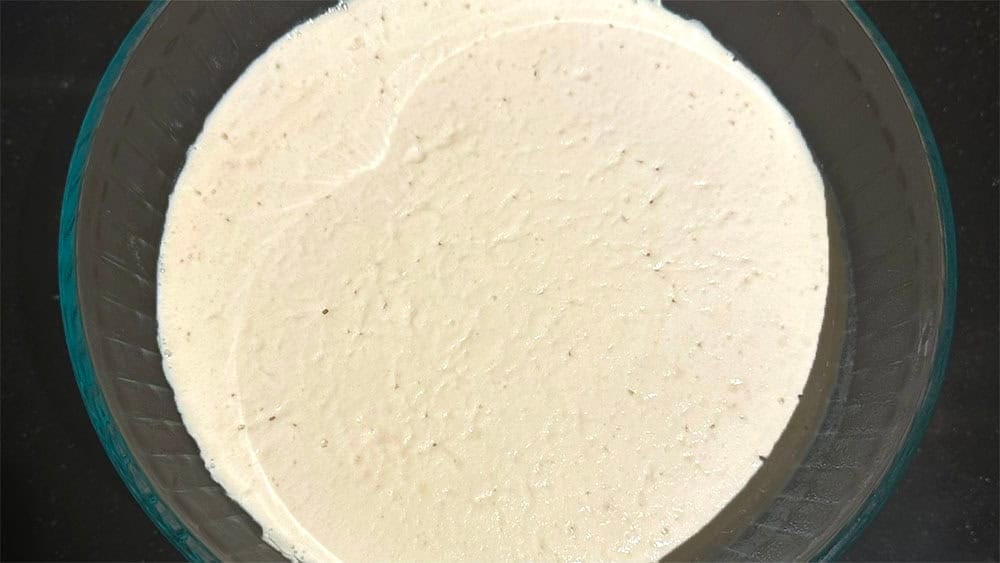
- Pour the batter into a bowl. Mix in the sugar and salt, cover and set it aside in a warm spot to ferment, overnight or for 8-12 hours. In winter, you can ferment the batter in the Instant Pot on the yogurt setting for 10 hours, or set the covered bowl in a cold oven with the light on. When the batter has fermented it will look puffier and will have risen a bit. When you disturb the surface with a spoon you should see bubbles.
Make uttapam
- Deflate the puffy, fermented batter by stirring it with a ladle. This will make it easier to pour it on the griddle. If the batter looks too thick to be pourable you can add a little more water at this time.
- Heat a cast-iron griddle or nonstick skillet over medium high heat until drops of water sprinkled on the surface sizzle and evaporate within a few seconds. Rub the surface of the griddle with some oil (use a kitchen towel or an onion cut in half to do this). You don't want visible drops of oil on the skillet - you just want a thin coat of oil on the surface.
- Pour ½ cup of the uthappam batter in the center. Don't spread this as you would a dosa, the batter should settle and widen out a little on its own into a pancake about five to six inches in diameter.
- Sprinkle a couple of tablespoons of vegetables and herbs - onions, bell peppers and cilantro over the uttapam batter.
- Drizzle a few drops of oil along the edges of the uthappam to help it crisp up and become golden-brown. This also makes it easier to flip the uthappam.
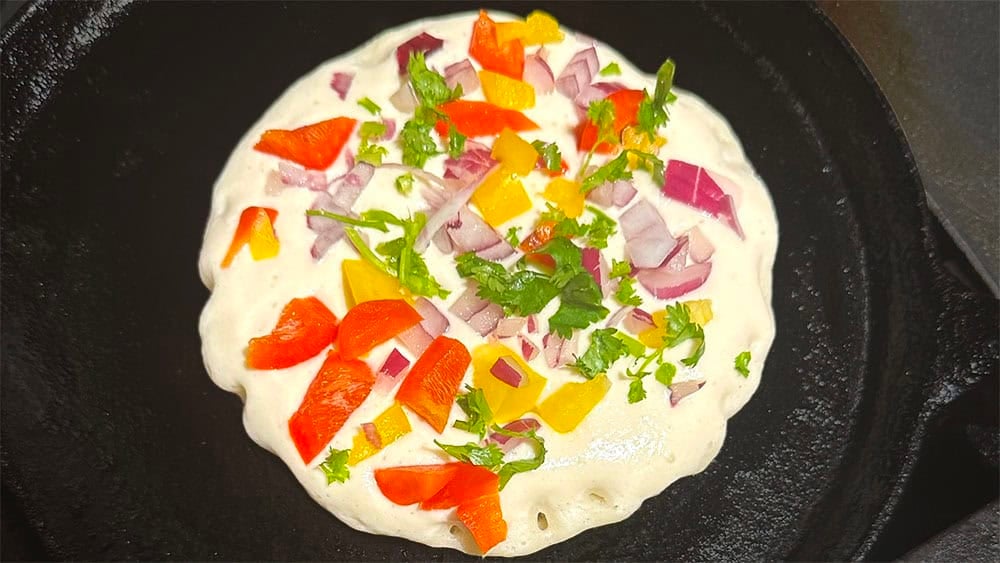
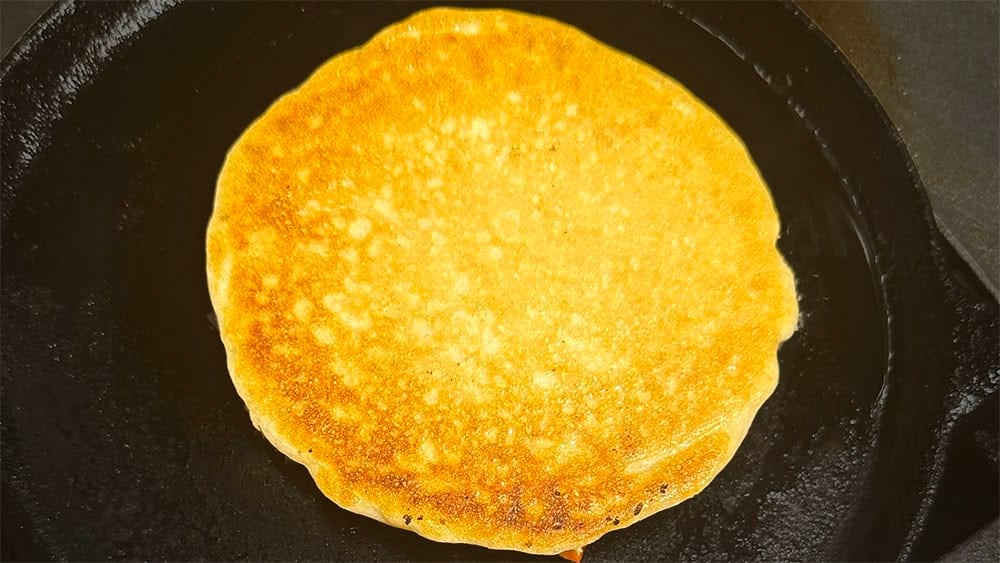
- Let the uthappam cook until the edges begin to dry out and the bottom is golden-brown. You can optionally cover the pan with a lid or poke a few holes with a fork in the center of the uttapam to ensure it cooks through and no raw batter is left on the inside.
- Gently ease the uttapam from the griddle with a thin spatula and flip it. Cook for another minute, then remove to a plate. Repeat with the rest of the batter.

My top tips for foolproof uttapam
- Don't overdo fermentation: Just like sourdough starter, uttapam batter left out in a warm spot for too long will turn very tangy. Eight to 12 hours should be perfect and you'll get the best flavor - rich but not sour.
- Change up the size of the uttapam: You can make the uttapam smaller, just three inches across, for kids, or even tiny, just an inch or two across, to serve as appetizers or finger foods with chutney.
- Tweak the veggie toppings to customize: Onions are the most traditional but vegetables like carrots, zucchini, green beans and cabbage are fantastic in uttapam. Just make sure you chop the veggies finely or grate them so they cook quickly.
Recipe FAQs
You can use both idli or dosa batter to make uttapam. Just add the onions and other veggies/herbs as the uttapam cooks.
Use an equal quantity of brown rice - 1 cup.
Absolutely.
Fermentation builds a colony of healthy gut bacteria in the batter and make the rice and lentils easier to digest. Fermentation also improves the texture of the uttapam. However, if you don't like the flavor of fermented batter you can skip the overnight wait and make uttapam right away after making the batter. Just add ½ teaspoon baking powder to the batter to help the pancakes fluff up.
Yes, add a bit of sooji or rava, a tablespoon at a time, wait for a few minutes for the sooji to absorb the water, then make uttapam.
Serve uttapam with a south Indian lentil stew like sambar or pumpkin sambar, or with coconut chutney or tomato chutney.
Yes, store the cooked uttapam in an air-tight container in the fridge up to three days, or in the freezer, separated by parchment paper or wax paper, for up to a month. Thaw and reheat the frozen or refrigerated uttapam on a hot skillet until warmed through.
Uttapam that's made fresh will taste better, however, so it's best to store the batter and make fresh uttapams just before eating.
Absolutely. You can refrigerate the batter for up to three days and freeze it for up to three months. Thaw the frozen batter before making the uttapam.




noorjahan mohani says
If I don’t parboil the brown rice how much longer to soak the brown rice? Thanks
Vaishali says
Soak it for 8 hours or overnight.
dave says
Where is the sun-dried tomato chutney recipe? Did search here and couldn't find it.
Vaishali says
I've been redoing some old recipes and removed this one as it wasn't getting many views. Here's the recipe if you'd like to make it--I love the unique flavor!
Sundried tomato chutney
Ingredients
½ cup thick coconut milk
6 sundried tomatoes (I used ones that are packed in olive oil and they are really moist. If you are using dry sundried tomatoes, soak them in a little water for at least half an hour to soften them)
1 large clove of garlic , chopped
2 green chilies (adjust to your taste)
Salt to taste
Instructions
Place all the ingredients in a blender and blend into a smooth paste. Serve with the Brown Rice Uthappam.
Nandini says
Thank you, Vaishali for sharing all these lovely recipes! Its such a pleasure of read and cook these. I also am not a huge fan of the sour taste of over fermentation, but fermented foods are good for you and you can control the degree of fermentation by putting the batter in the fridge once it has risen to a degree but not long enough to be really sour. You get a little bit of tanginess not to mention a soft fluffy texture in the uthapam without it being unpleasantly sour. So, I have learned to not be afraid of fermentation for about half a day when I have to the time to leave the batter aside. In north American climates, it is hard to ferment to sourness unless the weather is really warm and you leave it for a long time. Love your recipes and always look forward to every new recipe you put out.
Richa says
love that sundried tomato chutney.. it probably worked out really well with those filled up uttapams!
Priya says
Both uthappams and chutney looks fabulous..makes me hungry..
janet @ the taste space says
This is so timely because I was investigating uthappams as well! Is udad dal the same as urad dal? Do you use the one with or without the husk?
Vaishali says
Hi Janet, yes, they are the same. I use the one without the black skin, but you could use either.
janet @ the taste space says
Awesome! Thanks for the clarification. 🙂
Tibik says
The sun dried tomato chutney sounds fantastic. Do you have to let the batter ferment before making the uthapams?
Thanks
Tibik
Vaishali says
Thanks, Tibik. I never ferment dosa and idly batters because Desi doesn't like the sour flavor. But you can definitely ferment it if you prefer to -- just let it stand on the counter overnight.
Manasi says
They are gorgeously golden! I always use dosa batter to make Uttapam, I see that u have not fermented the batter. What if I am using regular white rice? same procedure?
Vaishali says
Manasi, yes, you can use the same procedure with white rice. I never ferment the batter because we don't like the sour taste.